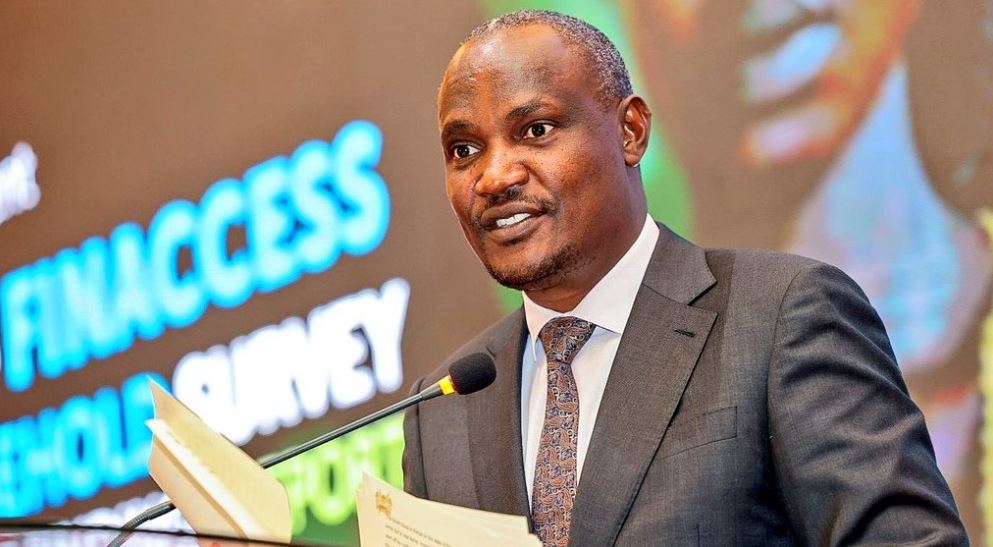
 National Treasury Cabinet Secretary John Mbadi confirmed that the government plans to follow through on its promise to revise the Pay as You Earn (PAYE) tax paid by salaried Kenyans.
Speaking on Tuesday, August 11, Mbadi said he is still running public participation on the proposal and expects to conclude the process by September 2026. He added that once the consultations wrap up, he will table the Income Tax (Amendment) Bill II 2026 in Parliament.
Mbadi dismissed claims that President Ruto had backed away from the pledge because the tax changes did not feature in the Finance Bill 2026. He said he needed to incorporate the new proposals raised by Kenyans, including submissions from the Kenya Bankers Association (KBA), before presenting the bill to the National Assembly.
“We are trying to manage and see how we can give some relief to Kenyans. You think that promise given by the president will not be acted on? Mbadi is going to implement it on behalf of the government of Kenya and President William Ruto,” he said.
President Ruto promised to exempt Kenyans earning Ksh30,000 and below from PAYE tax. He also proposed lowering the PAYE rate for those earning between Ksh30,001 and Ksh50,000 from 30% to 25%.
“Remember we had suggested changes in PAYE affecting Kenyans that earn up to Ksh30,000 and Ksh50,000. However, there are other Kenyans like the Bankers Association of Kenya, which has come up with another suggestion. We want to put them together, and then we will bring the tax laws amendment bill, which I will bring,” he added.
The Treasury Cabinet Secretary also addressed questions about whether the government will keep charging Value Added Tax (VAT) on fuel beyond October 2026.
He said the decision will depend on developments in the Middle East, noting that the government must strike a balance between shielding Kenyans from inflation and protecting tax revenue.
“We are balancing inflation vis-à-vis tax revenue. As much as we want tax revenue through VAT, we must understand if it will cause inflation; it will have more harm in the economy,” he said.
CS Mbadi added that the government is also considering other ways to raise funds to subsidize fuel in the country if the need arises.