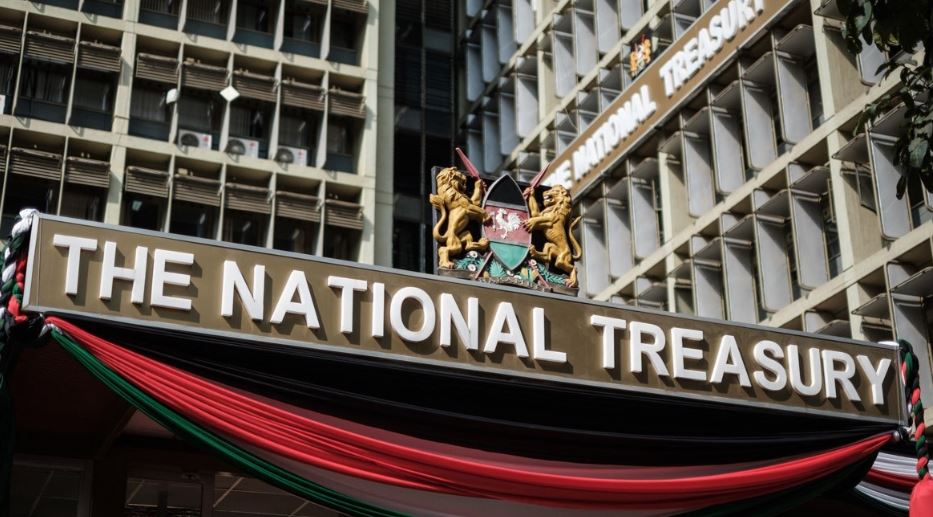
 Kenya’s economy is expected to gather pace again and expand by 5.1% in 2027, the National Treasury said, pointing to easing external pressures and improving global supply chains that should help support the recovery.
The outlook follows an earlier revision to Kenya’s 2026 growth forecast. The Treasury cut the 2026 projection to 5.0% from 5.3%, citing the effects of the ongoing Middle East conflict on domestic economic activity.
For 2027, the Treasury anticipates that the conflict’s impact will ease. Even so, it warned that higher international oil prices could keep fuel and transport costs elevated, adding pressure to inflation and the country’s import bill.
The government also expects the shilling to stay relatively stable, supported by strong inflows from remittances, alongside portfolio investments and foreign direct investment.
The Treasury cautioned that prolonged geopolitical tensions and tighter global financial conditions could weigh on the exchange rate, a risk it flagged in the 2026 Budget Review and Outlook Paper (BROP) released on Tuesday, August 11.
The government projects the current account deficit to narrow from 3.0% of GDP in 2026 to 2.8% in 2027. It expects export earnings to benefit from agriculture, tourism, and manufactured goods, while remittances should keep supplying a steady flow of foreign exchange.
In the BROP, the Treasury said, “Growth is projected at 5.0 percent in 2026 and 5.1 percent in 2027, supported by resilient domestic demand, improving credit conditions, strong services activity, and continued investment.”
The Treasury also expects falling borrowing costs to boost private-sector lending and strengthen household consumption and investment. It added that easing inflation and reducing production costs should further strengthen investor confidence.
At the same time, the government says Public-Private Partnerships (PPPs) will stay central to its investment strategy. The National Treasury expects private capital to fund major infrastructure projects, which should also ease pressure on public finances.
The government also expects the industrial sector to remain resilient. It cites support from the Affordable Housing Programme, ongoing infrastructure works such as the expansion of the Rironi–Mau Summit Road, the settlement of verified pending bills, and higher PPP investments.
Treasury adds that reforms will help improve the business environment by cutting regulatory bottlenecks and strengthening market efficiency.
The government’s investment drive will also include strategic privatization and divestiture of state-owned enterprises. It expects these reforms to improve efficiency, draw in private capital, and create fiscal room for priority development programs.
Even with the positive outlook, Treasury warns that prolonged geopolitical tensions, higher oil prices, adverse weather, weaker global growth, and disruptions to trade could derail the recovery it projects.
For 2027, however, the government expects easing external pressures, stronger investment, cheaper credit, and resilient domestic demand to keep growth on the 5.1% path.