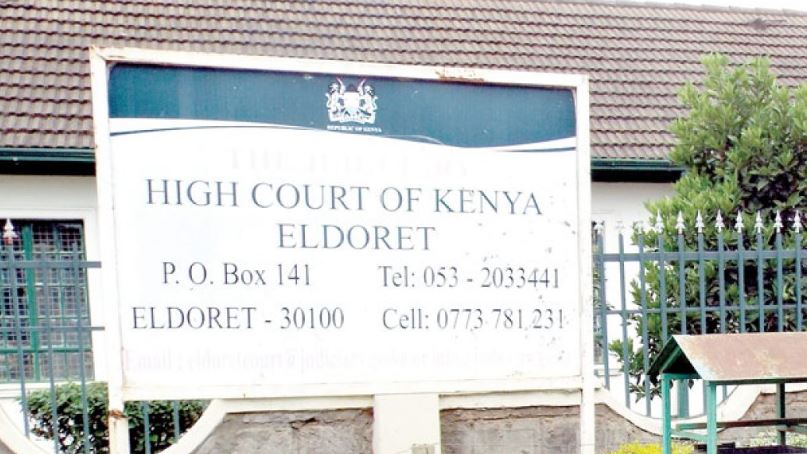
The High Court delivered a landmark ruling that tightened the requirements for contesting tax bills issued by the Kenya Revenue Authority (KRA).
In its recent decision, the court held that taxpayers who want to challenge KRA tax assessments must present clear evidence showing why the assessments are incorrect. The ruling also clarified that the burden does not shift to the authority to justify its position.
The court reached this outcome after KRA’s Commissioner of Domestic Taxes lodged an appeal involving a business case. The appeal overturned an earlier decision by the Tax Appeals Tribunal, which had ruled in favor of the company.
The dispute began when the tax authority carried out a desk audit of the company’s Income Tax and VAT returns covering the period from 2017 to 2020.
Court documents show that the audit identified major discrepancies between the purchases the company reported in its Corporation Tax returns and the figures it declared in its monthly VAT returns. Based on those findings, the agency issued additional tax assessments totalling Ksh29.2 million.
The company then moved to contest the decision before the Tax Appeals Tribunal, which ruled in its favor in November 2023. KRA responded by appealing to the High Court, arguing that the Tribunal had applied the rules of evidence incorrectly.
During the hearing, the court weighed whether taxpayers should submit a large volume of financial records to KRA, or whether they must instead point to specific evidence that reconciles the discrepancies that underpin the tax demand.
In its ruling, the High Court allowed KRA’s appeal in full and set aside the Tribunal’s decision that had favored the company.
“By holding that such unstructured data presentation shifted the burden back to the state, the Tax Appeals Tribunal committed a profound error of law. The Tribunal’s decision was based on a fundamental misapplication of the rules of evidence and cannot be allowed to stand,” the court ruled.
The court further ruled that a taxpayer cannot defeat a tax assessment simply by submitting large volumes of financial records.
In the judge’s view, taxpayers must provide evidence that directly explains and reconciles the discrepancies the tax authority identified. They are also expected to rely on relevant documentation to clearly demonstrate those reconciliations, rather than leaving the task to KRA.