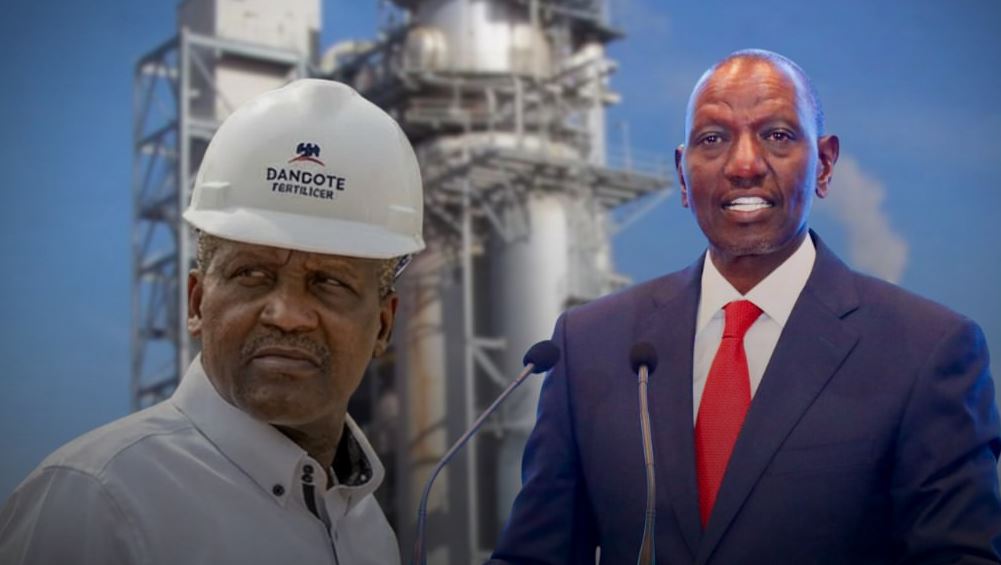
 Construction of the highly publicized East African oil refinery in Kenya could start by October, after Nigerian billionaire Aliko Dangote said the project’s preparations have progressed substantially.
The Dangote Group president said his company expects to begin groundbreaking in October, after which it will move into the construction phase. He added that this multibillion-dollar project will then move closer to real implementation following years of planning.
“I think, latest by October, we will be doing groundbreaking. Once we break ground, we will start the construction very soon,” Dangote told the BBC.
He also said the refinery should be completed in under four years once construction begins. He noted that the faster schedule should help lower the investment’s overall cost.
Dangote further said the project now comes with an estimated price tag of about $16 billion, down from an earlier estimate of $17 billion.
He attributed the reduced cost in part to the company’s plan to complete the Kenyan project more quickly, which he said would cut financing expenses. He also pointed to lessons from building his refinery in Nigeria, saying those gains will help the company carry out the project more efficiently.
“It will cost less because this one will be faster. In terms of financing costs, it will be less, and also we are wiser as a company than the time we built the refinery in Lagos,” he said.
Dangote described the planned 700,000 barrel-a-day refinery as a regional project. He said the plan will serve more than Kenya and will support energy supply across East Africa.
“The East Africa refinery makes a lot of sense because it will not serve only Kenya. That’s why we call it the East African refinery,” he said.
The size of the investment means financing will play a central role. Dangote said the company plans to mix its own capital with borrowed funds. Under the proposed structure, equity will cover 30% of the investment, while debt will fund the remaining 70%.
Dangote said the company has confidence it will secure the money needed to finance the refinery.
“We don’t have any problem raising the money,” he said.
He also said the refinery will help African countries strengthen their energy security by expanding their ability to meet their own fuel needs.
He added that domestic refining capacity will reduce the risk for countries that rely heavily on external supplies, while giving them more control over their energy decisions.