
 The government has paid KSh 448 million in compensation to 348 Kenyans under the protest victims compensation framework so far, according to the Panel of Experts on Compensation of Victims of Demonstrations and Public Protests.
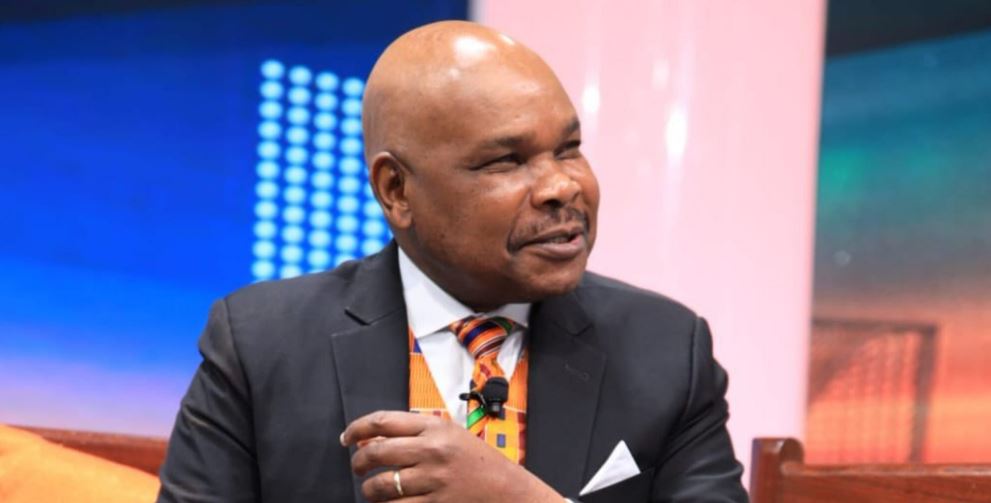
Professor Makau Mutua, the panel’s chairperson, said that the government expects to compensate another 500 victims this week. Speaking on Citizen TV’s Sunday Live, he added that some of the recipients have already shared that they have experienced a measure of relief.
Mutua, who is also a presidential adviser, said the framework was developed after experts, including lawyers, economists, and doctors, assessed a range of factors.
“We applied a range of criteria by looking at practices in other countries where compensation has been given. We looked at Nepal, Nigeria, South Africa, Bangladesh, and so on,” he said.
He also addressed concerns from victims who say they have not yet been notified or received their compensation, urging them to lodge their claims through the designated centers.
“Victims have to self-identify and go to the places that have been designated. They can contact us through the various phone numbers and email addresses that have been provided,” Mutua said.
He added that the panel has an office at the KICC where victims can submit claims, noting that many have already lodged claims with the KNCHR and IPOA.
Mutua outlined the steps victims of protests must follow to apply for compensation, saying claimants must show that their injuries, deaths, or losses were directly linked to protests or riots that occurred between 2013 and 2025.
He said eligible victims can submit claims through the panel itself, the Kenya National Commission on Human Rights (KNCHR), the Independent Policing Oversight Authority (IPOA), or the Ethics and Anti-Corruption Commission offices.
“We are covering the period from 2013 to 2025, but there are some qualifying events. The claim that is made must be connected to a protest or a riot in the course of trying to exercise the predicates of Article 37, which is a right to protest, to demonstrate, to petition, and so on. So your claim must fall within those events. If it does not, it does not qualify,” Mutua said.
He added that victims who believe they qualify should first identify themselves and then lodge their claims through the designated channels. Mutua said many people have already submitted complaints through KNCHR and IPOA, but those who have not can still approach the relevant offices or contact the panel directly.
“I myself have called openly for anyone who feels that they qualify for compensation to come forward and lodge a claim,” he said.
Mutua also said the panel will require supporting evidence to verify claims before any compensation is approved. He said families seeking compensation for fatalities must provide documents such as post-mortem reports, death certificates, or other proof showing the death occurred during a qualifying protest or riot.
For injury-related claims, he said applicants will need documentation, including police reports, hospital records, medical bills, or other evidence showing they suffered injuries during the demonstrations.
“If you are injured, we would want a police report, a hospital bill, some evidence that, in fact, you are injured,” he said.
Mutua acknowledged concerns that some individuals may try to file fraudulent claims, but he said the panel has put in place mechanisms to verify and authenticate every application.
He pointed to lessons learned from previous compensation efforts for victims of Mau Mau-era atrocities, noting that some people who were not eligible had attempted to present themselves as claimants.
“We know these things can happen. There’s no doubt about it. That’s why we have a foolproof process of authenticating and verifying claims,” he said.