
 Three of the world’s leading music powerhouses, Sony, Universal, and Warner Music Group, will soon set up shop in Nairobi, President William Ruto announced on Tuesday, July 21. Ruto highlighted the major move as a resounding endorsement of Kenya’s burgeoning creative talent, clear policy framework, and active sector reforms.
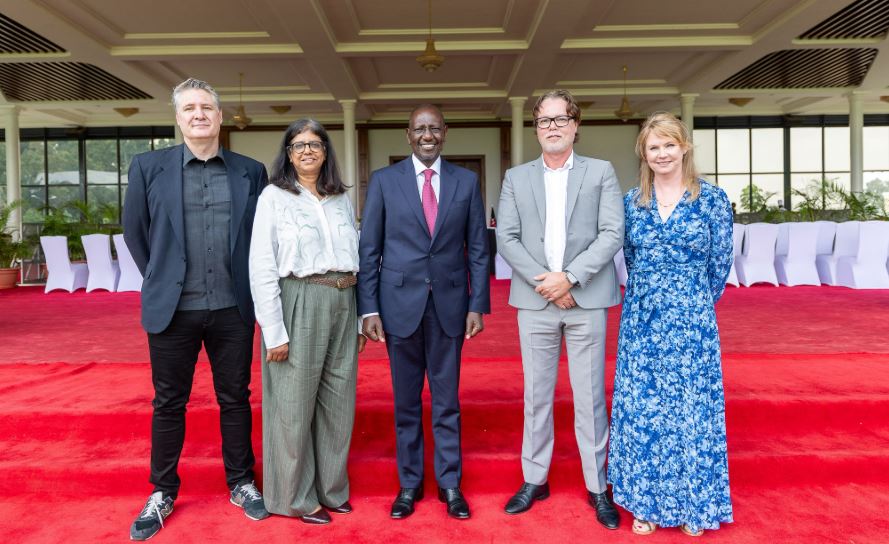
The breakthrough followed a high-level meeting between the Head of State and Victoria Oakley, CEO of the International Federation of the Phonographic Industry (IFPI), where both parties explored strategies to scale Kenya’s creative economy.
“I’m encouraged by the shared commitment to strengthening Kenya’s creative economy and positioning Nairobi as Africa’s next major hub for the recorded music industry,” Ruto stated.
“I am particularly delighted that Sony Music, Universal Music Group, and Warner Music Group have all agreed to establish a presence in Nairobi,” he added.
Ruto pointed out that bringing these industry titans to the capital will directly benefit local artists, producers, publishers, and investors across the music ecosystem.
“This is a significant vote of confidence in Kenya’s creative talent, our policy direction, and the reforms underway to build a globally competitive music ecosystem,” the president said.
While securing these corporate bases marks a crucial first step, the government plans to shift immediate focus to full execution. The next phase centers on building an environment where local talent can build viable careers, generate foreign revenue, and stimulate job creation across the entire music value chain.
The strategic push aligns with Kenya’s broader goal to convert creative fields, including film, fashion, and digital content, into major economic drivers.
Nairobi continues to solidify its reputation as a premier African creative center, driven by a dynamic local music scene and a surging wave of global tech, AI, and outsourcing firms seeking a foothold in the region.
“The next phase is implementation, creating an environment where artistes, producers, publishers, and investors can thrive together, generating jobs, exports, and new opportunities for Kenyan creatives. Kenya is open for music. Nairobi is ready,” Ruto concluded.