
 One of Nairobi’s most anticipated road projects is in its final stretch. Interior Principal Secretary Raymond Omollo confirmed on Monday, May 11, that the Ngong Road–Naivasha Road flyover at Junction Mall is nearing completion, and when it opens, it is expected to cut the commute from Ngong Town to the Nairobi Central Business District from nearly two hours down to approximately 25 minutes.
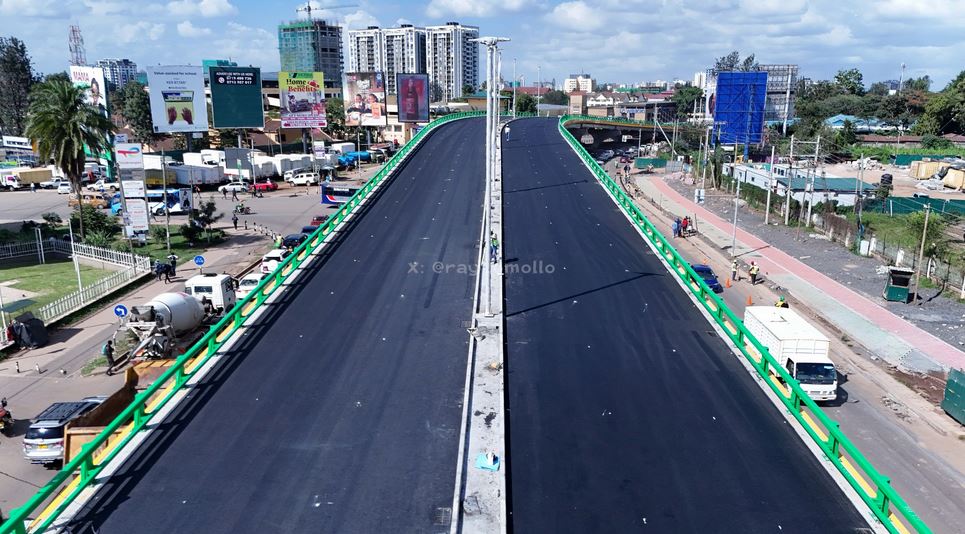
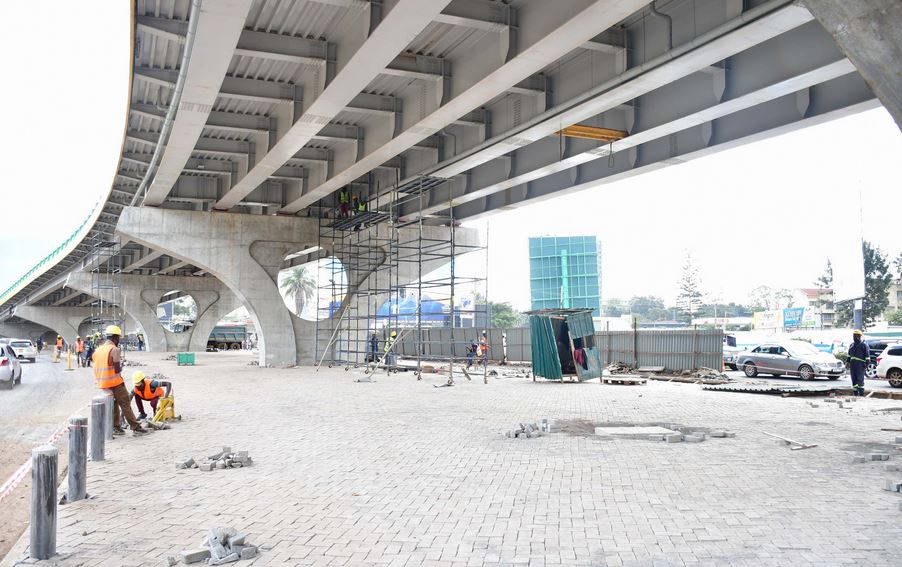
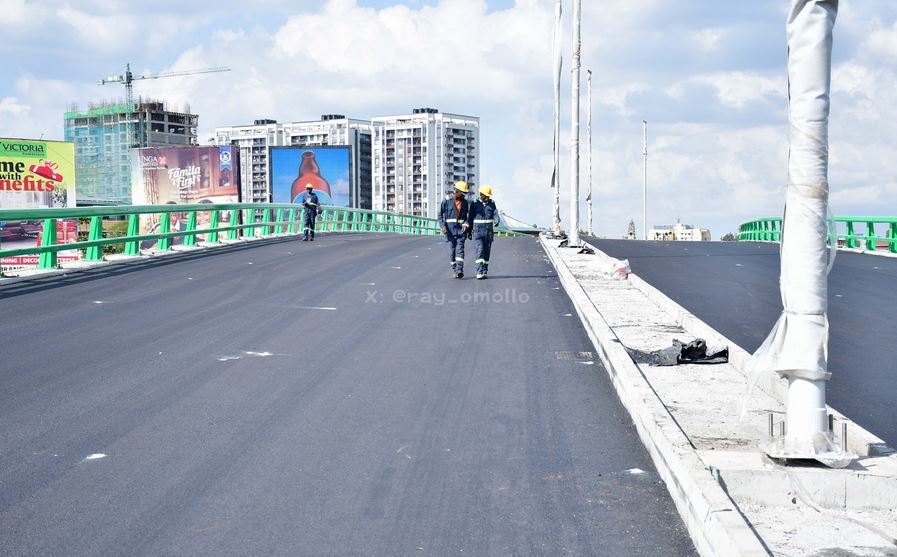
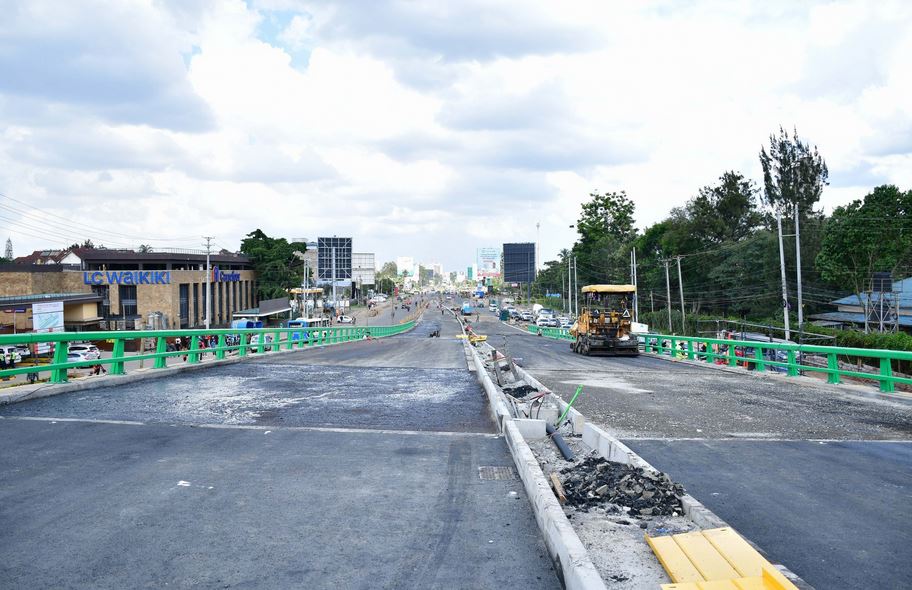
Construction crews have already finished the steel superstructure and the primary structural framework. Work now focuses on the final phase: deck slab installation, asphalt surfacing, and line marking to prepare the road for live traffic. Teams are also mounting high-mast LED luminaires and advanced ancillary lighting infrastructure to ensure safety and visibility once the flyover opens.
What the Flyover Looks Like
The structure is an 800-meter elevated dual carriageway featuring a 254-meter steel bridge section at its core.
Engineers designed the bridge with four lanes to split traffic into two levels, making sure long-distance drivers don’t get stuck behind people turning into the mall. By giving long-distance travelers their own path above the ground, they can skip the crowded Junction Mall entrance – a bottleneck that has caused massive traffic jams for years.
The flyover also goes beyond vehicle movement. Dedicated walkways and cycling lanes run alongside the carriageway, giving pedestrians and cyclists a safe, separated path. Street furniture, including resting benches, will be installed to improve the commuter experience, while upgraded stormwater drainage systems will tackle the localized flooding that regularly disrupts traffic in the area.
Ngong Road–Naivasha Road (Junction Mall) Flyover. pic.twitter.com/xr7KloNfTz
— Dr. Raymond Omollo — CBS (@ray_omollo) May 10, 2026
The Numbers That Matter
As the official statement puts it, the project “marks another major step in redefining Nairobi’s infrastructural capacity as a modern and globally competitive capital city.” The case for that claim rests on one striking figure: the expected travel time saving.
“Upon completion, the project is expected to drastically reduce travel time from Ngong Town to Nairobi’s Central Business District from nearly two hours to approximately 25 minutes, boosting productivity, improving the movement of goods and people, and supporting Nairobi’s growing metropolitan economy,” PS Omollo said.
That reduction, roughly 95 minutes saved per trip, stands to transform daily life for thousands of commuters who travel the Ngong Road corridor every day.
AFCON 2027 Connection
The flyover also carries strategic importance beyond daily commuting. PS Omollo pointed out that the structure will significantly improve connectivity to Talanta Stadium, positioning it as a critical piece of transport infrastructure ahead of the Africa Cup of Nations (AFCON) 2027 tournament.
With Kenya co-hosting one of African football’s biggest events, ensuring smooth access to match venues has become a national infrastructure priority.
Who Is Building It and Who Is Paying
The Kenya Urban Roads Authority (KURA) is managing the execution of the works, which broke ground in September 2024. Funding for the Ksh 3.58 billion project comes from a loan provided by the Spanish Corporate International Fund (FIEM) – an arrangement that reflects the kind of bilateral infrastructure financing Kenya has been actively pursuing to accelerate urban development.
The State Department for Internal Security and National Administration is also playing an active supporting role, coordinating traffic management around the construction zone, running public safety awareness campaigns, and enforcing road safety measures to protect both workers and road users during the final construction phase.
With the steel work done and finishing touches underway, Nairobi’s Ngong Road corridor is weeks away from a transformation that commuters on that route have long been waiting for.
Check out some photos of the Ksh 3.58 billion Ngong Road Flyover below.