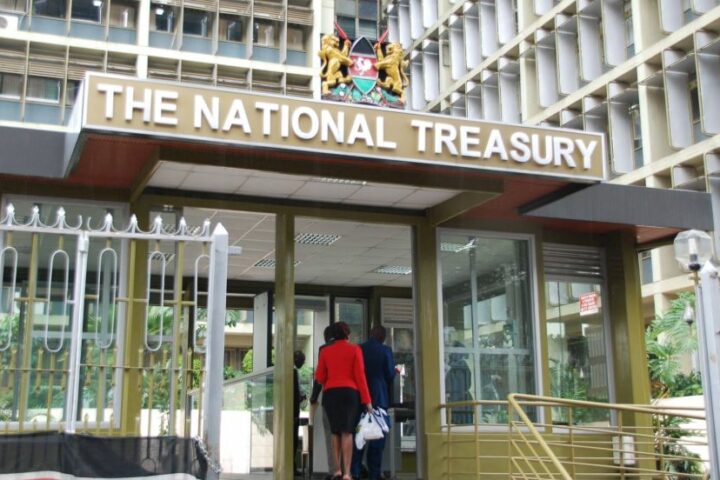

 National Treasury Cabinet Secretary John Mbadi has cautioned politicians against using the fuel crisis to incite Kenyans. According to Mbadi, the current global situation requires sobriety rather than political rhetoric.
The Treasury boss admitted that the painful crisis is currently battering economies across the world, including Kenya’s. However, he warned leaders against misleading Kenyans into believing that the government bears sole responsibility for the situation.
“The current crisis of fuel prices is hurting. But leaders should not use this issue to incite Kenyans,” Mbadi said.
“Kenyans may get lost in politics and forget to appreciate the magnitude of the problem we have. The biggest problem we have is supply, leave alone the pricing,” he said.
Mbadi explained that Africa largely depends on Middle Eastern oil and that the ongoing conflict involving Iran has severely disrupted global supply chains.
The Treasury Cabinet secretary mentioned that the fallout from the conflict will linger long after any potential peace deal because the fighting has already damaged critical energy infrastructure.
“Even if the war ends now, it will take five or six months before things return to normal. The refineries have been hit. It is a big problem. We should not laugh about it. It is not something to use to incite people,” Mbadi said.
CS Mbadi likened the current oil shock to the Covid-19 pandemic, urging leaders and citizens to approach the crisis with collective calmness and seriousness.
“It is like Covid-19; we need soberness,” he stressed.
He further assured Kenyans that the country is maintaining stable fuel reserves because the government contracted three major oil marketing companies to source fuel from alternative global markets.
“Fortunately for Kenyans, we contracted three major oil marketing companies to supply us with fuel. They source from all over the world and are not depending entirely on the Middle East and that is why we have constant supply, but the costs have been rising,” he explained.
Mbadi also announced that the government may continue subsidizing fuel to cushion consumers from severe economic pain as global prices climb.