

 For many years, remittances have been an essential source of money for countless Kenyan homes. Money sent from the U.S., UK, Canada, or the Gulf by diaspora members is used to cover school costs, build houses, assist businesses, and support families in emergencies.
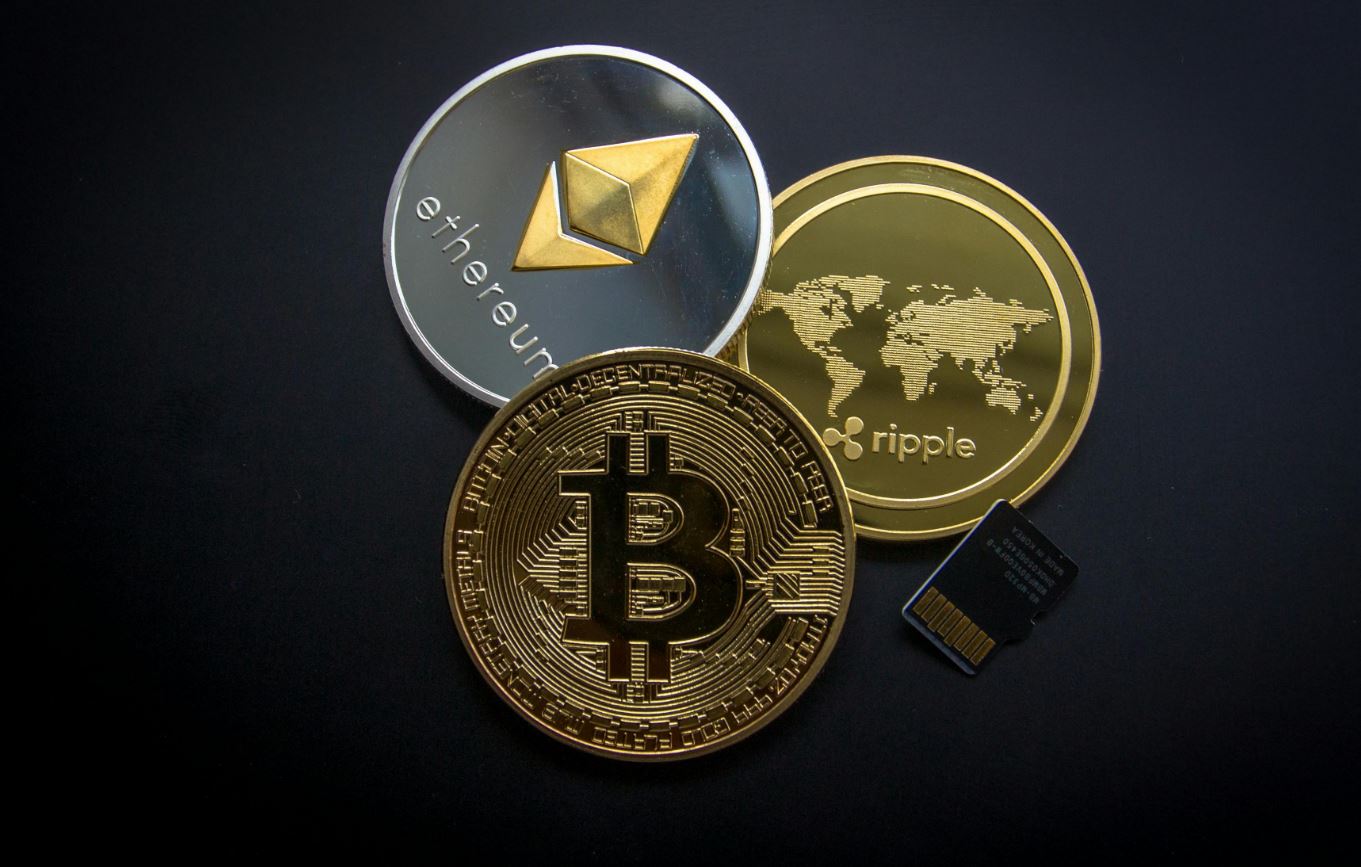
Yet traditional methods for sending money usually involve fees, unpredictable sending delays, and problems with currency exchange. These days, using cryptocurrency, including blockchain options, gives Kenyans overseas a faster, cheaper, and more transparent means to send money home.
Anyone can track the expansion of relevant networks and assets participating in these transfers by referring to a solana price chart because Solana is used for affordable cross-border transactions.
Problems Found in Traditional Remittance Channels
Although money sent from the diaspora is crucial for Kenya’s economy, the system they use to send money is complex. Often, sending less money with services like Western Union or MoneyGram results in around 10% of the total transfer fees. Because remittances deplete earnings, senders may turn to more dangerous methods of sending money.
Besides, delays can be problematic, especially when people need help fast. It doesn’t always happen overnight: bank transfers can take business days, which means that in villages, people may still have to go far to collect their cash. Sending money across borders through remittance companies involves exchanging rates that don’t always benefit the person receiving the money.
How Blockchain and Crypto Have Found a Solution
Using blockchain, people can transfer money directly between themselves without a third party. Anyone with a digital wallet—no matter where—can instantly or quickly get Bitcoin, Ethereum, or Solana transfers. Even better, fees are usually very low, sometimes under $1, no matter the country you’re sending to.
Among Kenyans abroad, USDT and USDC—linked to the U.S. dollar—are now very popular. These coins offer price stability, and the networks move your money quickly and at a reasonable cost. After they acquire the stablecoins, Kenyan residents can use local exchanges or P2P trading to convert them into Kenyan shillings.
Blockchain makes transparency and easy tracking possible. Real-time tracking by both parties lowers the chance of fraud or incorrect transaction routing. Besides, smart contracts help make recurring payments or payments that depend on certain rules, something traditional remittance methods are not designed for.
What Makes Solana and Other Low-Cost Networks Unique
Its popularity as a go-to blockchain for remittances is growing thanks to its quick and inexpensive nature. If Bitcoin or Ethereum get too busy, they can become overloaded, making things expensive for users; however, Solana can handle thousands of transactions per second without ever slowing down. Kenyans sending regular transfers abroad find Solana a good option.
Thanks to Solana, technical knowledge is no longer necessary to perform crypto transactions. Several of these systems also connect with local mobile wallets such as M-Pesa, allowing for an easy crypto exchange to cash for the recipient. Because mobile money is used so widely in Kenya, this feature is extremely important to aid interoperability there.
What Does It Mean for Kenyan Families?
Families in Kenya have felt the direct benefits of receiving remittances without any or very low fees instantly. For example, those studying abroad can now help their families with expenses at home and tickets for younger siblings, because so much of their money doesn’t get used up by fees.
Crypto is becoming a popular way for Kenyan entrepreneurs abroad to lift up their businesses by getting around the challenges of business and banking regulations in the country.
In the event of emergencies or disasters, instant crypto transfers can really help. Families that rely on timely financial help benfit from the quick processing and added strength of blockchain-supported remittances.
Education, Access, and Trust Are Still Challenges
Although adoption is increasing, obstacles persist. Many people in Kenya are unfamiliar with digital wallets, and cryptocurrencies like Bitcoin often cause worry. Kenya’s crypto remittances reach a limited number of users because not everyone has access to the internet or a smartphone, or knows how to use them.
Trusting cryptocurrency systems is just as big a problem. Some users are less confident due to the rise of scams, rug pulls, and fraudulent websites. As a result, we should all focus on staying educated and using secure wallets and exchanges. The government also checks how best to look after consumer rights without blocking the drive to innovate.
Where is Diaspora-Influenced Crypto Adoption Going?
Because the blockchain system is getting simpler and education is growing, more Kenyans outside the country will likely use crypto remittances. These improvements in cost, faster transactions, and convenience are too necessary to ignore. In addition, the possibility of adding conditions to the use of programmable money could transform the way families share money and manage joint tasks across the world.
Connections between global crypto players and domestic Kenyan fintech might result in an even more straightforward process. Closing the link between crypto and daily money matters will require integration with M-Pesa, bank accounts, and merchant services.
Kenya can lead the way in crypto-backed cross-border payments because of its tech-savvy people and strong mobile money foundation. More diaspora members choosing blockchain over traditional options are already helping to form a new era of simple, community-built finance.