
 Ben Githae, the voice behind Jubilee’s 2017 campaign anthem Tano Tena, spent Thursday on vernacular radio pleading with the very online generation that has spent three weeks roasting him. The Kikuyu gospel star lifted both hands and asked for mercy, saying the backlash over his recent State House visit had turned his phone into a war zone.
“I want to apologize to all Kenyans, especially Gen Z. I have surrendered, and I don’t want to be greeted like you greeted me three weeks ago. Please forgive me if I have wronged you,”
– Ben Githae on Inooro FM, June 19 2025
How the Storm Started
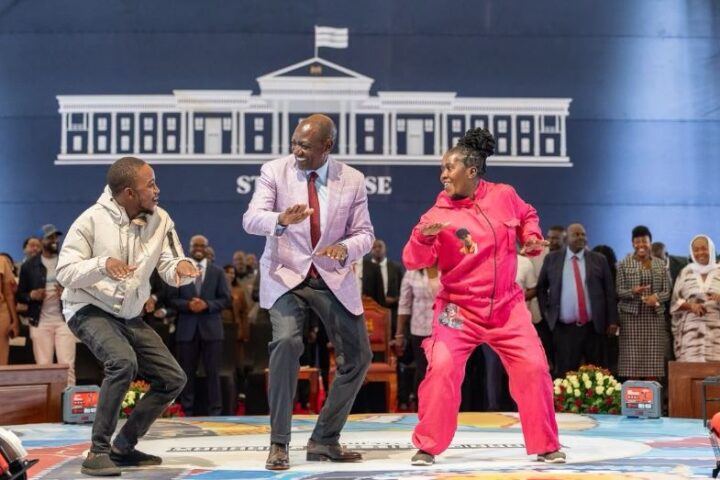
On May 20, Githae and a group of Mount Kenya musicians posed for photos with President William Ruto and Deputy President Kithure Kindiki at State House. The artists praised government programmes, a move that many young Kenyans read as tone-deaf in the middle of rising living costs.
The digital response was swift. Gen Z critics flooded his inbox with “greetings” – slang for furious DMs – and promoters quietly scrubbed him from event posters. “I don’t want those greetings again,” the singer told listeners, his contrition echoing across social feeds.
The apology caps a remarkable week-long climbdown:
- June 11 – Githae posted a late-night Facebook note declaring, “It is now official! No more political songs! Ooh help, God.”
- June 13 – He doubled down in a newspaper interview: “I have made a decision not to produce political songs anymore… no amount of money will change my mind.”
- June 19 – On radio, he surrendered to Gen Z and asked for forgiveness.
Just a month earlier, cameras caught him belting out Kindiki ni Witu – a praise track for the deputy president – during a breakfast at Karen, further fuelling accusations that he had swapped gospel for political PR.
Clips of Thursday’s apology sparked mixed reactions. Some users demanded a protest song before they “uncancel” him, others mocked his dyed beard, while a handful urged mercy.
Why Gen Z Matters to Githae
This generation dominates TikTok trends, sets booking agendas for campus concerts and can torpedo a brand overnight.
Artists who once hitched their careers to politicians now face a tougher crowd that rewards authenticity – and punishes perceived sell-outs within hours.
Industry insiders say bookings in Central Kenya have been drying up for pro-government artists.