

 A matatu owner in Nairobi hands the keys to a driver and a conductor somewhere around dawn and gets the vehicle back after dark with a bundle of cash that is supposed to hit a daily target, 3000 to 8000 shillings depending on the route and the size of the vehicle. That is the whole reporting structure.
The crew keeps whatever came in above the target, which functions as their actual salary, and the day itself, the trips, the boardings, the fare money that changed hands between the estates and the city centre, stays with the crew.
Deloitte put matatu dependence at about 70 percent of Nairobi’s population in a 2018 report, and the Kenya Institute for Public Policy Research and Analysis has counted roughly 3 million residents commuting by matatu daily, so the accounting method for most of the city’s transport has been, in practice, the conductor’s memory.
Mary Mwangi started working on this gap in 2012, when she returned to Kenya after two decades in the United States and set up a technology firm in Nairobi’s Industrial Area.
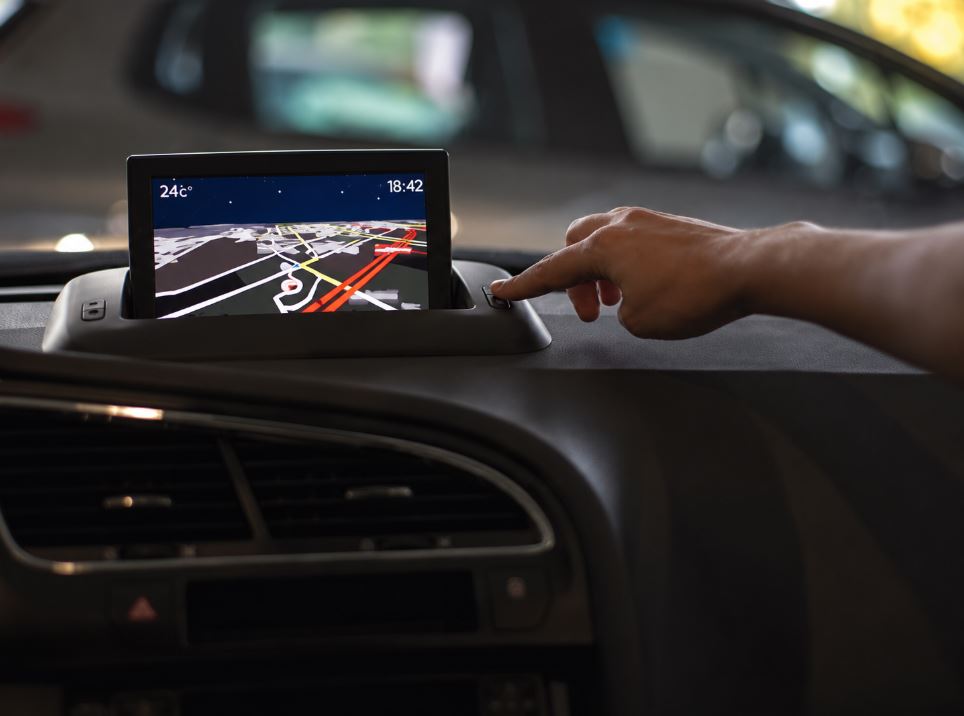
The kit her company installs starts with a GPS tracker that flags the vehicle the moment it drifts off its assigned route, adds a mobile ticketing machine that issues a receipt for every fare, and finishes with cameras above the doors that count who boards and check that number against tickets sold.
A complete pack of two cameras, the ticketing machine, and one tracker was going for about 65000 shillings, with the hardware assembled locally. “You have no way of knowing what’s happening during the day,” Mwangi said of the traditional handover, and the owners she sells to have generally spent years setting targets by rumour and negotiation rather than by anything resembling revenue data.
The cameras did not get a warm reception from the people they watch. Mwangi has told the story of a Saturday installation where the crew cut the wiring between camera and battery within hours, before the system had logged a single full day. Nobody involved needed the economics explained to them.
A passenger who never appears in the count is money the owner cannot ask about, and a reconciled boarding count ends that. Some SACCOs, the registered savings cooperatives that every matatu legally operates under, pushed installation because the data strengthens their hand in disputes with owners and crews alike, and a share of conductors settled into the system once the payroll side appeared.
The equipment in other vehicles develops faults with suspicious regularity. I have followed telematics rollouts in maybe a dozen markets, and the sabotage phase shows up in nearly all of them, usually in the first month, usually blamed on the electrics.
The regulator has been tightening its own screws in parallel. Kenya’s National Transport and Safety Authority requires GPS tracking and speed limiters on public service vehicles, and the KS 2295 2018 standard obliges limiters to store data, transmit a speed reading every five seconds, and connect to the authority’s Intelligent Road Safety Management System.
Enforcement lagged the paperwork for years, long enough that owners kept renewing old speed governor licences at 5000 shillings because the authority had no servers to police the new standard.
An inter ministerial directive in 2024 raised the stakes considerably, giving PSV operators 30 days to present vehicles for limiter compliance checks before their NTSA licences went invalid, freezing issuance of new PSV routes, and suspending short term licences while existing routes were reviewed.
Enforcement runs through the SACCO structure, at least on paper. NTSA recognises 272 registered SACCOs in Nairobi, while City Hall’s own estimate of how many actually operate runs closer to 692, which leaves a lot of vehicles answering to bodies the regulator has never vetted.
The fleet tracking records show what happens when monitoring finally arrives in markets like this. Underreported trips surface within the first month or so, and the scale runs from mild on dense city commuter routes to severe on intercity work. Nobody there quotes an average.
Kenya already ran one large experiment in forcing this kind of visibility, and it failed slowly enough that everyone got to watch.
The 2014 cashless fare mandate brought prepaid card schemes to market with government backing, deadlines came and went through the year, and by the time NTSA officials were telling reporters that compliance would be gradual, conductors were back to taking coins, and the cards were gathering dust.
Analysts settled on complicated power structures as the explanation. A large number of people positioned between the passenger and the owner were living on cash that no ledger touched.
Mobile money took over fare payment years later without any mandate at all, conductor by conductor, because a displayed payment number beat carrying a float of coins through Nairobi traffic.
Nairobi County has decided to try again anyway. The Permit to Operate Regulations proposed in 2025 make electronic fare collection mandatory, cap the number of vehicles per route based on annual demand estimates, put operators on five year permits, and require every SACCO to file fare schedules broken down by time of day and passenger type.
Wilfred Bosire, secretary general of an operators association, stood up at the Greenpark Terminus consultation and told City Hall the era of policies made in boardrooms was over, that operators wanted inclusive participation, and the meeting was reported as heated.
What the owners get out of the installed systems is fairly mundane once described. The evening dashboard shows trips, speeds, revenue, and boardings, and an owner who can read a week of ticket data has a defensible basis for the next target instead of a guess.
Mwangi’s firm added payroll integration on top, small daily deductions that fund the crews’ national social security and health insurance contributions, about 50 shillings a day toward the roughly 500 needed for health cover.
The route data question runs further out. Nairobi has launched the first phase of its bus rapid transit network, and BRT planners have leaned on matatu route maps that only exist because university researchers rode every line in the city with GPS phones a decade ago, there being no official record to consult.
How the tracked and ticketed matatu fleet folds into that network is still being negotiated, and previous county administrations have lost similar negotiations before. The 2014 rules also looked comprehensive on the day they were announced.