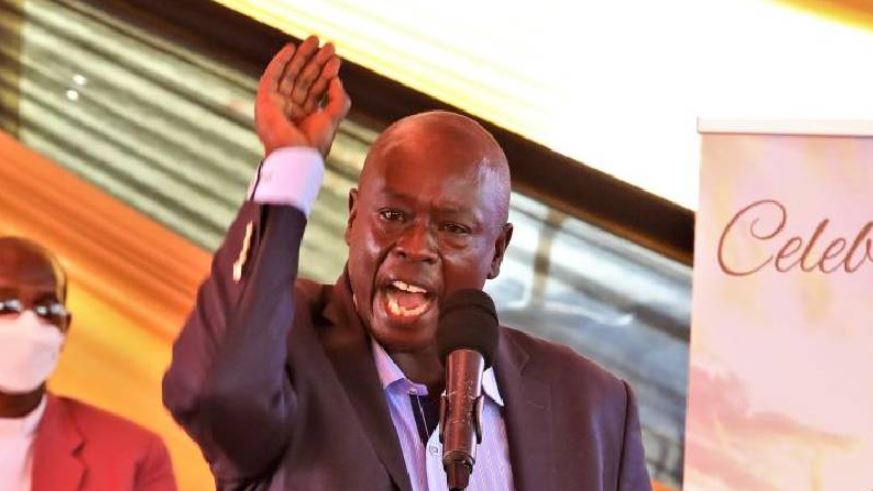

 President William Ruto maintained that the Financial Inclusion Fund, popularly known as the “Hustler Fund,” has helped free many borrowers who had been blacklisted by Credit Reference Bureaus (CRBs).
Ruto said the programme has been central to providing low-cost credit to “hustlers” as part of a broader credit-repair plan aimed at getting them delisted from the bureaus. He added that about 7 million people were on the blacklist and that the credit scores of roughly 2 million had improved.
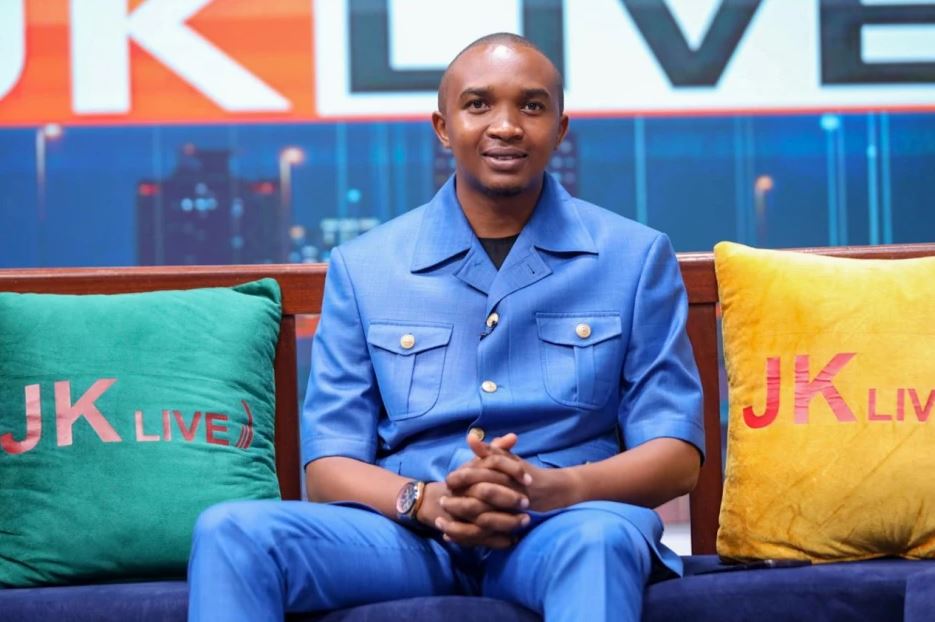
“I removed all those people from the CRB, gave them a second chance to borrow and pay. Two million have repaired their credit rating. They are off the CRB list. Another 960,000 people have even graduated and are borrowing upto 150,000,” he said in an interview with Dr. King’ori.
He explained that under the government scheme, borrowers can access between Ksh. 100 and Ksh. 50,000 for personal accounts. Ruto said people with strong credit scores and a trusted repayment history can qualify for higher limits of up to Ksh. 150,000 and, in some cases, Ksh. 300,000, through options such as the Bridge Loan or other higher-tier personal products.
President Ruto said many Kenyans struggle to meet their economic needs because they must operate within the limitations imposed by banks. He said the government incentive offers a practical alternative.
He noted that borrowers now have credit scores and that sustained borrowing over the past year, paired with regular repayment, can help improve their standing.
“They now have a credit score. They have been borrowing for the last one year and have been paying. Collateral is not necessarily a title deed, payslip, or log book. It can be your behaviour. If you borrow and pay, it becomes your log book,” Ruto said.
He added that improved credit records have enabled many people to be delisted by credit reference bureaus, allowing them to access larger loans from banks.
Ruto acknowledged that the fund has also faced challenges linked to high default rates.
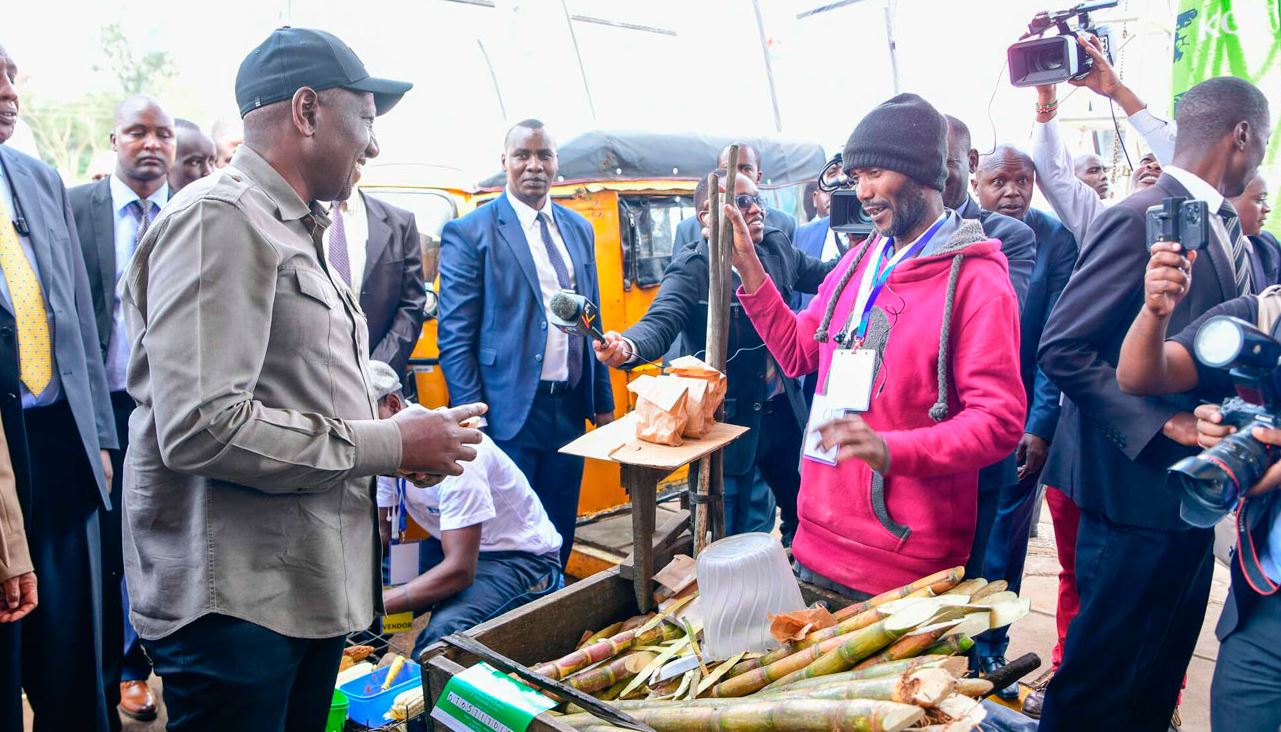
Speaking during the 2026 World MSME Day celebrations on June 27, Ruto said the programme has disbursed close to Ksh. 90 billion to more than 27 million Kenyans while mobilizing over Ksh. 6 billion in savings.
He further said the government aims to cut back on borrowing and rely more on domestic resources to finance projects, including housing and Universal Health Coverage.
“All I am doing now is to reduce borrowing. We are trying to see how we can raise resources rather than borrow. We have 1.2 trillion contracts on housing and markets with zero borrowing,” he said.
Ruto noted that by the end of April 2026, Kenya’s domestic debt stock stood at Ksh. 7,185.77 billion, equivalent to 38.8 percent of GDP. Of that total, the Central Bank of Kenya said Ksh. 2.57 trillion was borrowed from the banking sector through Treasury bills and bonds.