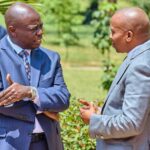
Safina Party leader Jimi Wanjigi rallied Kenyans to reject the Finance Bill 2026, accusing the government of overburdening citizens with excessive taxation and illegal borrowing while delivering little in terms of meaningful development.
During a press briefing in Nairobi on Monday, Wanjigi criticized the 2026/27 Budget Statement presented by Treasury Cabinet Secretary John Mbadi last week. He argued that the proposals would only deepen the country’s debt burden.
Wanjigi said the Finance Bill aims to raise an extra Ksh. 120 billion through taxation even as Kenya’s debt obligations continue to grow.
“The budget is not about development; it is about servicing debt, and I call on Kenyans to reject it,” he said.
Wanjigi questioned the government’s continued repayment of what he called illegal debt, insisting that some borrowing took place outside constitutional requirements and without proper parliamentary oversight.
He pointed to what he described as a secret sovereign bonds account established under the Consolidated Fund in 2014 and alleged that it served as a channel for borrowing and repayment without adequate scrutiny.
Wanjigi said Kenya’s public debt has reached about Ksh. 13 trillion, yet the country still shows limited infrastructure progress from the borrowing.
“Every budget cycle is now designed around paying illegal creditors rather than improving the lives of wananchi,” he said.
He also raised concerns about the rapid rise of domestic debt, warning that the government’s growing reliance on Treasury Bills and Treasury Bonds could limit private sector investment and weaken long-term economic sustainability.
Wanjigi further challenged the legitimacy of portions of the public debt, arguing that borrowing conducted without Parliamentary approval or in violation of Kenyan law should not be honoured.
Wanjigi also criticized plans to spend an estimated Ksh. 2.6 trillion annually on debt servicing, arguing that the money would crowd out essential sectors including healthcare, education, agriculture, and infrastructure.
“The solution to Kenya’s economic challenges is not more taxes. Kenyans are already overtaxed,” he said. He added that further taxation would weaken businesses, cost jobs, and reduce citizens’ purchasing power.
As an alternative, Wanjigi called for what he termed economic sovereignty, urging Kenya to end its reliance on borrowing and debt repayment. He outlined a Safina Party agenda that includes free healthcare, free primary and secondary education, replacing the 16 per cent VAT with a five per cent sales tax, and stopping domestic borrowing by the government.
“The Safina vision is simple: no tax burden; no illegal borrowing; no debt slavery,” he said.