
 Manyatta Member of Parliament John Gitonga Mukunji has proposed changes to the National Assembly’s Standing Orders, arguing that future Finance Bills should require a two-thirds quorum to pass. He made the suggestion in response to public criticism over low participation during the June 18 vote.
In an interview on Monday, June 22, Mukunji said the Finance Bill ranks among the most consequential laws Parliament considers because it directly affects citizens as well as the country’s political and economic direction, pointing to the experience of 2024.
He argued that lawmakers should impose stricter voting thresholds for such a bill, similar to the requirements used in impeachment proceedings.
“There should be a different prerequisite for voting on the Finance Bill, and I believe we should go to the levels of impeachment, requiring that we need to raise the quorum to two-thirds when we are voting for such a consequential bill in the lives of our people,” he said.
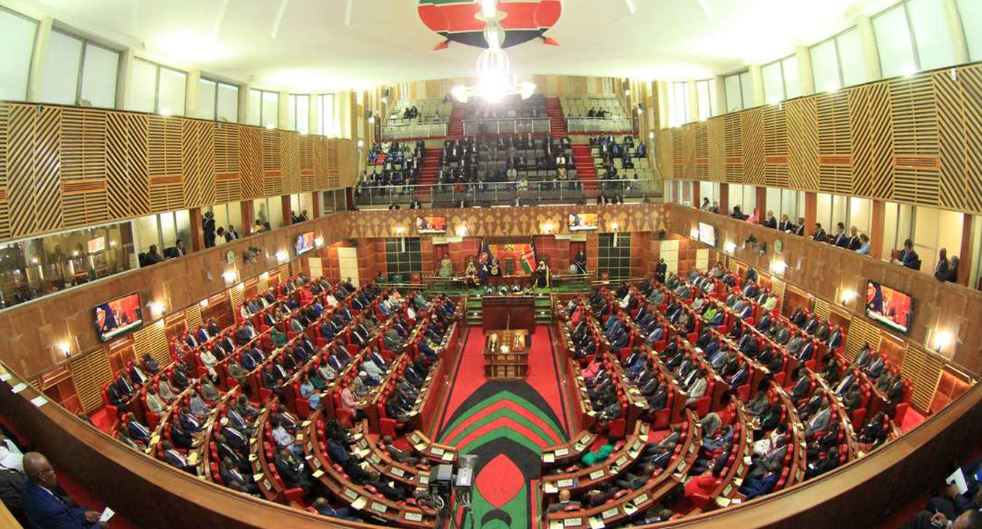
Mukunji’s proposal follows concerns that participation during the Third Reading vote was shockingly low. Only 162 MPs took part, even though the National Assembly has 349 elected and nominated members.
Of the lawmakers who voted, 122 supported the Bill while 40 opposed it. The remaining 187 MPs did not participate in the final vote.
Under current National Assembly Standing Orders, the House can legally conduct votes with a quorum of just 50 members. However, the absence of more than half of the country’s lawmakers during the crucial Finance Bill proceedings has sparked intense public scrutiny over representation and accountability.
Embu MP Manyatta Mukunji took a sharp aim at his absent colleagues, arguing that skipping such critical legislative moments compromises an MP’s fundamental duty to their constituents.
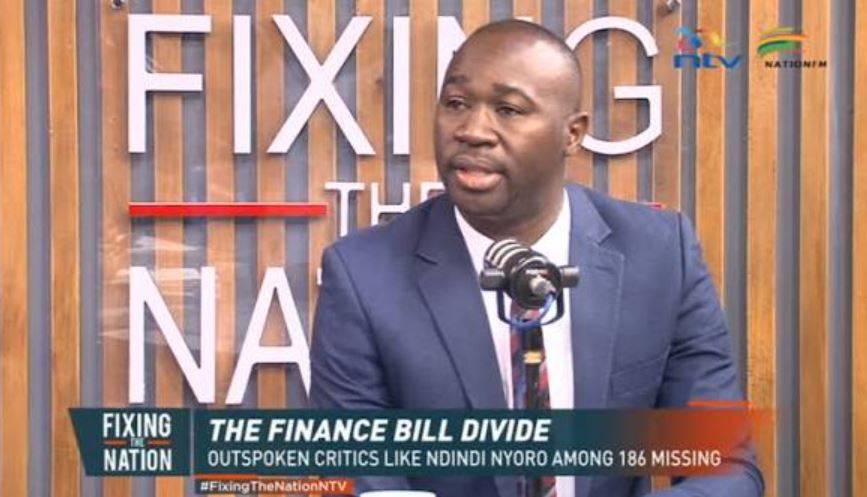
“If you cannot participate in this, then you are not representing your people,” stated Mukunji, who recently confirmed he will vie for the Embu Governor seat in 2027 under the Democracy for Citizens Party (DCP).
Mukunji suggested that political survival and optics drove the low turnout, noting that many lawmakers actively avoided the ballot to protect their public image.
“Judging from what has happened on this bill, that 187 members didn’t vote, many of them fearing to be seen voting on this side or that side, depending on who they want to impress,” he added.
To prevent future truancy on critical issues, Mukunji called on Parliament to overhaul its rules and legally compel lawmakers to take a definitive stand on legislation that deeply impacts ordinary Kenyans.
Mukunji, who voted against the Finance Bill, framed the legislative showdown as a missed opportunity to dismantle policies that have squeezed regular citizens. He specifically called out the president for breaking a high-profile promise to exempt workers earning Ksh30,000 and below from Pay As You Earn (PAYE) tax, noting that the relief package never made it into the bill despite widespread public expectation.