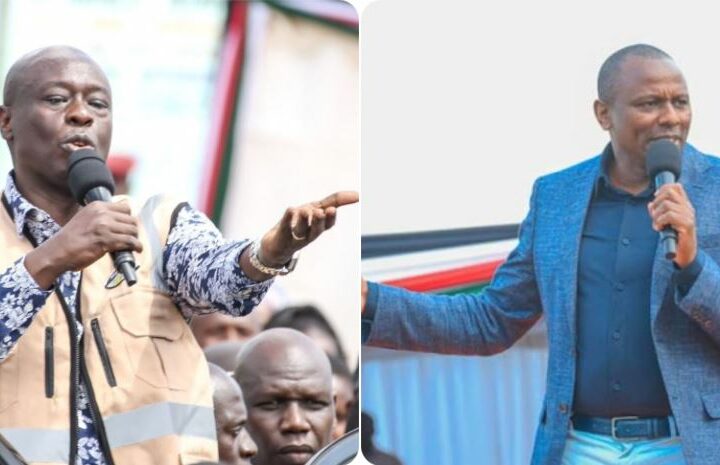
Deputy President Kithure Kindiki remains President William Ruto’s most preferred running mate ahead of the 2027 General Election, according to the latest survey released by TIFA Research.
Researchers conducted the survey between May 2 and May 11, 2026, using household face-to-face interviews. The team engaged with 2,013 randomly selected Kenyan adults across all 47 counties to ensure the data reflects a truly national perspective.
The study, which offers a detailed look at the current political pulse, suggests that Kindiki has solidified his position as the favored partner for the incumbent’s re-election strategy.
The findings highlight a strong consensus among the president’s core supporters. According to the survey, 59 per cent of respondents who support Ruto’s re-election bid identified Kindiki as their preferred deputy presidential candidate.
Homa Bay Governor Gladys Wanga followed in the rankings with 12 percent support, while Oburu Odinga and Hassan Joho each recorded 3 percent.
According to the survey, Kindiki’s dominance reflects what TIFA described as a strong voter preference for continuity and stability within Ruto’s political camp as the country gradually shifts its focus toward the 2027 election.
The pollster further noted that many respondents view Kindiki as the “most politically acceptable deputy option,” which gives him a considerable lead over other figures linked to the broad-based government arrangement.
The report also observed that “ODM-associated leaders attract relatively limited support for the running mate position.” This finding suggests that a section of Ruto’s supporters still prefer a deputy drawn from within his core political base rather than from the opposition-aligned figures recently incorporated into the government.