
 President William Ruto unveiled sweeping reforms to address teachers’ long-standing frustrations, from stalled promotions and underfunded schools to medical cover, pensions, and housing. The pledges came during a major education stakeholders’ meeting at State House, Nairobi, which brought together over 10,000 teachers, union leaders, and school heads’ associations.
Teachers’ Demands
Education leaders set the tone by highlighting urgent issues crippling schools. Kenya Primary School Heads Association (KEPSHA) chairperson Fuad Ali demanded an increase in Free Primary Education (FPE) capitation from Ksh1,420 to Ksh2,300 per pupil.
He also pushed for better terms for head teachers, urging the government to elevate them to at least Job Group D1 in recognition of their responsibilities.
Kenya Secondary Schools Heads Association (KESSHA) chairman Willie Kuria backed the calls, saying outdated capitation and rising costs had put schools under strain.
“Capitation should be realistic and in touch with the economic climate. Since 2017, schools have not received the full amount allocated in government budgets. On paper, allocations look promising, but in reality, what reaches schools is far less,” he said.
Teachers’ unions further criticised career stagnation, noting that nearly 500,000 teachers had been stuck in the same job groups for over five years. They argued that the Career Progression Guidelines unfairly locked out older recruits.
“It is unfair to employ a teacher in their forties or fifties and then tell them that by the time they qualify for higher grades, they will already be at retirement age,” Kuria said.
KNUT Secretary General Collins Oyuu added that teachers managing junior secondary schools in primary institutions remain unrecognised and underpaid, while KUPPET criticised rigid promotion rules that often force late-career relocations.
Ruto’s Commitments
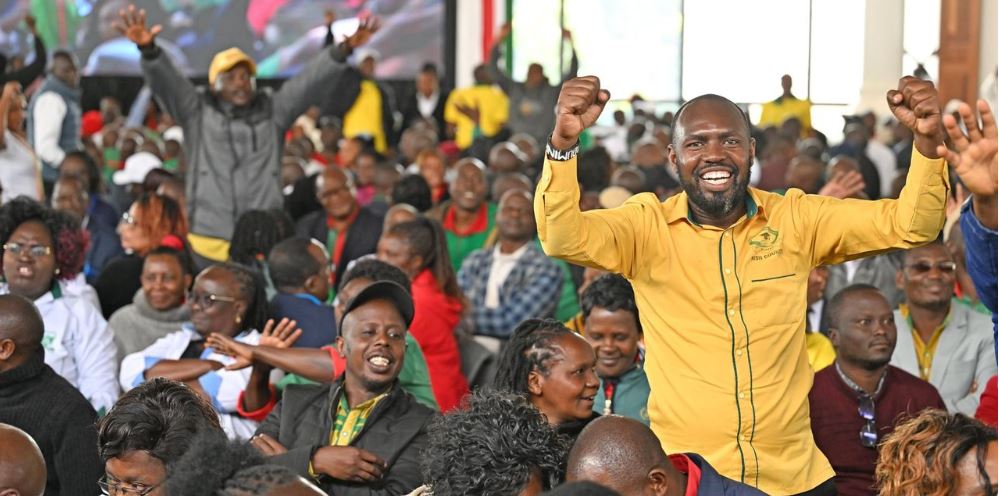
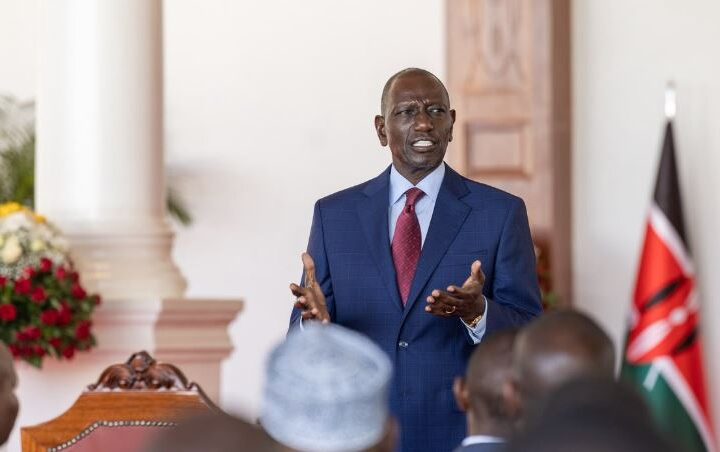
In response, President Ruto unveiled a raft of measures to ease teachers’ frustrations. He pledged to double annual promotion allocations from KSh1 billion to KSh2 billion, allowing 50,000 promotions each year. He also ordered an immediate review of the Career Progression Guidelines.
To ease unemployment, he announced a “pass-out, pass-in” recruitment model that will prioritise graduates who have waited longest, especially those above 45 years and primary-trained teachers. In January 2026, 24,000 new teachers will be hired, bringing the total number of recruits in three years to 100,000.
On funding, Ruto promised that primary school capitation will rise to KSh2,238 per pupil in two phases, while secondary allocations will be restored from KSh17,000 to KSh22,244. He directed the Treasury and Ministry of Education to align disbursements with the school calendar.
Ruto also acknowledged disparities in medical cover. “This must be corrected immediately,” he said.
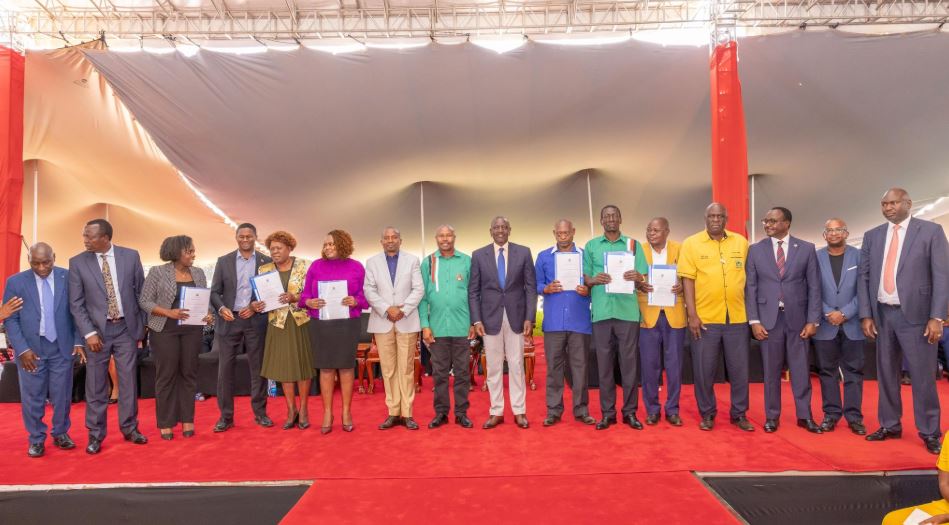
The meeting further delivered a landmark deal between teachers’ unions and the Affordable Housing Board, which guarantees educators 20 per cent of all units in the Affordable Housing Programme.
“This agreement guarantees that 20 per cent of all affordable housing units will be allocated to teachers, a step towards ensuring that those who dedicate their lives to shaping our nation’s future have access to decent homes,” President Ruto said.
Collective Bargaining Agreement (CBA)
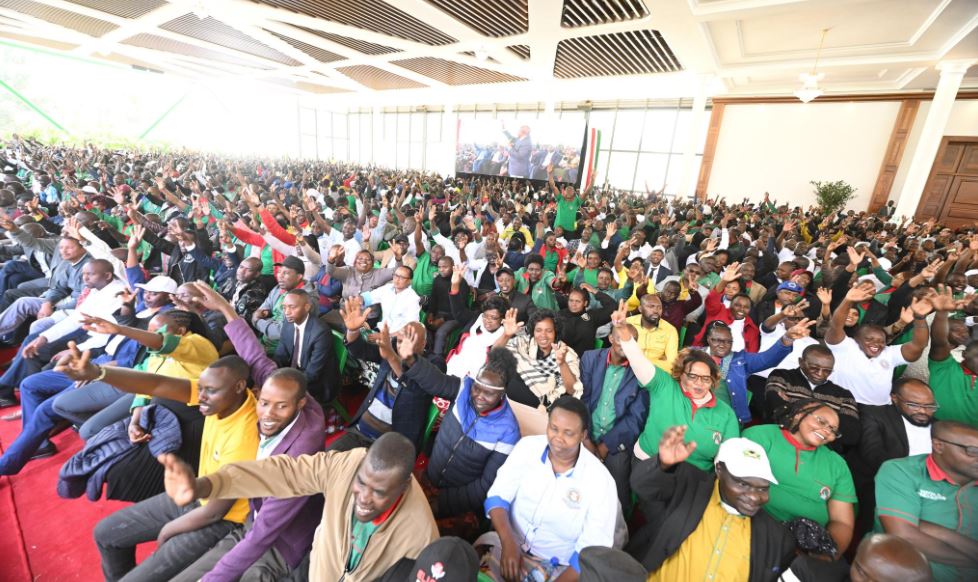
The Head of State also backed the idea of reducing the Collective Bargaining Agreement (CBA) period from four years, asking unions to decide whether it should be cut to three or two years. He argued that this would make agreements more responsive to teachers’ needs and ensure timely adjustments in pay and allowances.
Ruto pledged to fast-track pensions, promising that retiring teachers will access their benefits within 10 days, with a long-term goal of same-day payouts.
Special needs teachers will receive a one-job grade promotion, while the Ksh20,000 allowance for special needs guides will be reviewed to better reflect their workload.
To strengthen the Competency-Based Curriculum (CBC), Ruto directed that resource centres be established in every sub-county through Constituency Development Fund (CDF) contributions, making teaching materials more accessible, especially in rural areas.