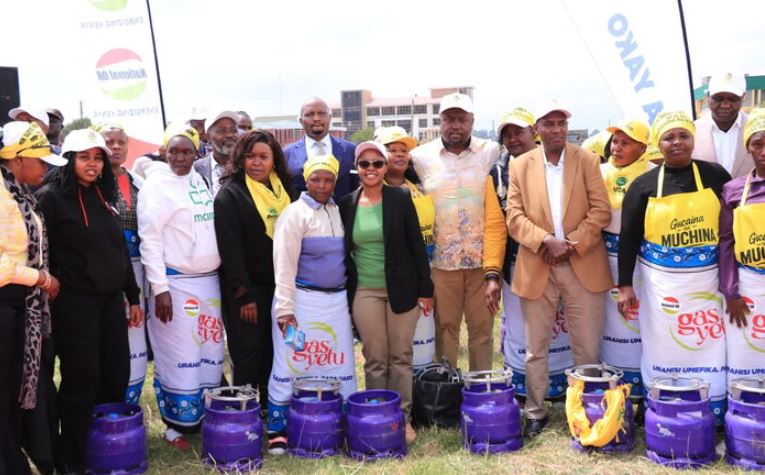
The Ministry of Energy and Petroleum has rolled out the distribution of subsidized LPG gas cylinders to households in Nyandarua County, marking a fresh phase in the government’s clean cooking drive.
Ol Kalou Constituency became the latest beneficiary of the initiative, with the ministry confirming that it has set aside 20,000 gas cylinders for residents across the constituency’s five wards.
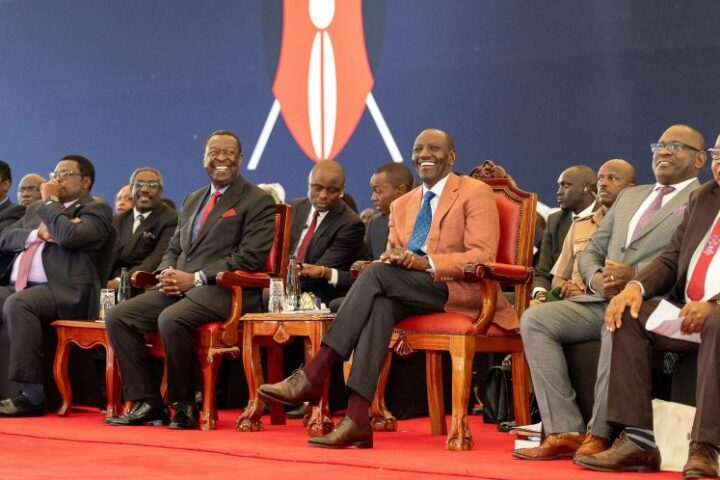
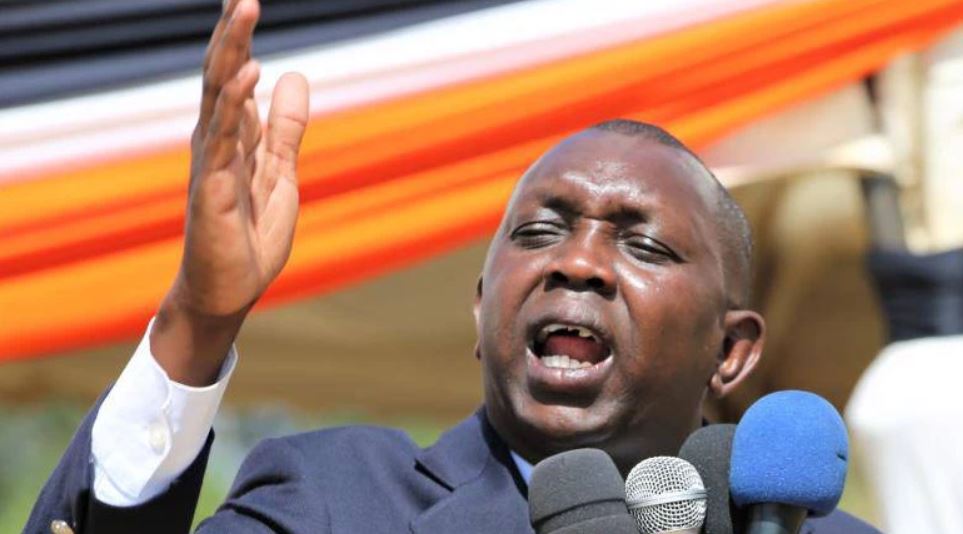
Principal Secretary for Petroleum Kello Harsama led the official launch on Monday, July 6, noting that Nyandarua is now the sixth county in Kenya to benefit from the subsidized program.
“Nyandarua is the 6th county in Kenya to benefit from the subsidized LPG programme and Ol Kalou is the first constituency in Nyandarua to benefit from the programme and is among the first nine constituencies in the country to receive this support,” stated PS Harsama.
“We have enough gas cylinders for every ward in this constituency, 20,000 in number, and every mother in this congregation will go home with a cylinder, and many more will be distributed in the coming months.”
He added that Ol Kalou stands out as the first constituency in Nyandarua, and among the first nine constituencies nationwide, to secure this type of support. The phased distribution will target residents across every ward in the constituency, including Kanjuiri Range, Rurii, Mirangine, Karau, and Kaimbaga.
The state expects to deliver more cylinders to residents in the coming months as it works to widen access to clean cooking fuel countrywide. Already, the program which President William Ruto spearheads, has rolled out in six counties, including Nairobi, Makueni, Machakos, Kitui, and Kajiado.
Beyond Ol Kalou, the wider rollout falls under the “Mwananchi Gas Project,” an initiative that targets low-income households across all 47 counties. Under a revamped model, the project provides affordable 6-kilogram gas cylinders, burners, and grills by splitting the costs between the government, private firms, and consumers.
Under this arrangement, the government covers 40 percent of the cost, LPG marketing companies chip in another 40 percent, and consumers pay the rest. The government moved away from its earlier promise of entirely free cylinders to curb misuse and keep the program sustainable.
To guarantee safety and quality, the Energy and Petroleum Regulatory Authority (EPRA) monitors every subsidized cylinder using built-in track and trace technology. Ultimately, the state aims to shift between four and eight million households away from firewood, charcoal, and kerosene, a move that will ease pollution and reduce pressure on forests.