
 Forex trading provides Kenyan investors with a really dynamic platform for financial success. This beginner’s guide covers the basics of entering the currency trading world with confidence.
The allure of Kenya forex trading is on the increase. More people are looking into alternative opportunities outside traditional investments. You need to understand basic ideas and processes before initiating the first trade.
This guide adopts a systematic methodology designed by novice traders, tackling practical steps, considerations of risks and platform choice.
What Is Forex Trading?
Forex trading, or foreign exchange trading, involves selling and buying currencies to make money from changes in exchange rates. Unlike the stock market, whose trading is fixed, the forex market is open five days a week, 24 hours a day.
This provides unprecedented flexibility. Local traders can trade during hours that are convenient for their schedules, such as business hours or at night. The increased popularity in Kenya in recent times is attributed to the availability of online trading platforms.
The platforms allow more people, even those with modest capital, to venture into the international financial markets. Depending on your risk appetite, you can trade in major currencies, including the US dollar, euro, and British pound, and currencies from emerging markets.
With the appropriate knowledge and strategy, trading in foreign exchange can be really enjoyable and potentially lucrative. Nevertheless, it has intrinsic risks that need to be professionally handled.
Choosing the Best Trading Platform in Kenya
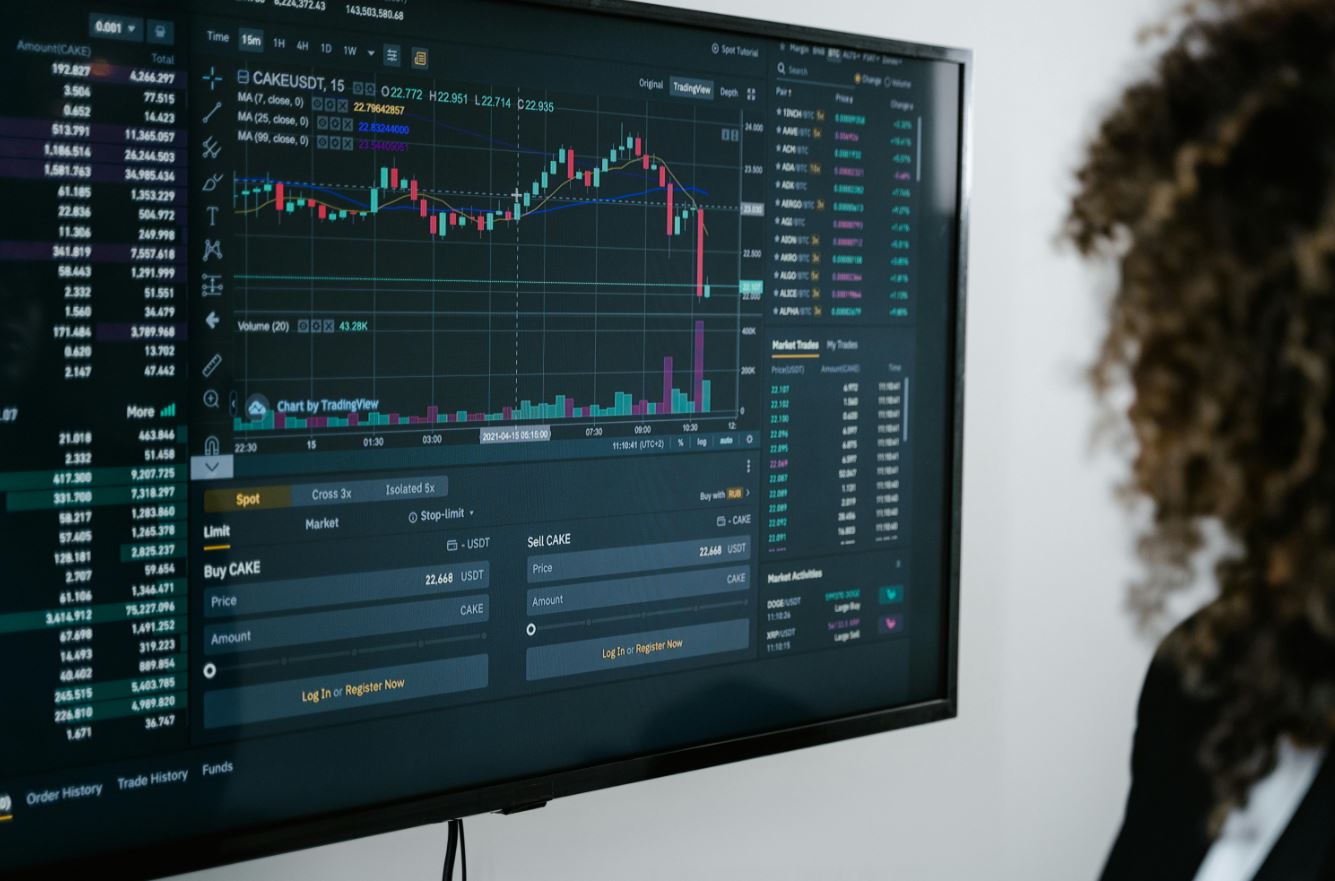
Selecting the best trading platform in Kenya is crucial for any beginner. A quality platform provides smooth transactions and analytical tools for market movement. The platform also facilitates informed decisions on the trader’s part. Speed, responsiveness and security are primary features.
Mobility provides traders with access to monitoring markets and trading from anywhere in the world. This is increasingly important in Kenya’s dynamic financial environment.
Security and support are equally important. Platforms that provide good customer support and educational resources help inexperienced traders avoid mistakes. Some also include tutorials, online seminars and articles on everything from basic currency pairs to intermediate trading strategies.
Choosing a platform that contains all of these features makes inexperienced traders feel more at ease, giving them a better chance of trading in a busy marketplace and profiting.
Understanding the Forex Market in Kenya
The foreign exchange market in Kenya has expanded significantly in the past decade. Domestic investors can now access up-to-date online trading systems with real-time prices, technical evaluation and educational materials. These systems are tailored only for traders in Kenya.
The systems use domestic modes of payment, including M-Pesa and are bilingual, with support in both English and Kiswahili. These features remove the traditional barriers to entry, making it possible for more people to trade confidently.
Supervisory regulation also contributes to trust-building. The Capital Markets Authority in Kenya regulates licensed dealers to trade transparently and abide by stringent rules, which gives you a sense of security as you engage in currency trading.
Educational resources and demo accounts also allow first-time traders to practice trading without actual money. This combination of availability, supervision and education helped build a growing field of forex traders in Kenya. Many are interested in exploiting opportunities in both domestic and foreign markets.
How to Trade in Forex in Kenya
Understanding how to trade in forex in Kenya requires a structured approach. New traders must first familiarise themselves with fundamental terminology such as currency pairs, pips, leverage and market orders. Learning is the foundation of every successful trading strategy.
Time must be invested in learning the marketplace dynamics before entering real-money orders. Once that is clear, the next step is to open a trading account with a licensed broker.
The majority of platforms in Kenya are reasonably straightforward. Registration and online verification typically only take a few minutes. Once you open an account, it is easy to fund it through local payment instruments like M-Pesa. Deposits and withdrawals are instantaneous.
Before trading live, it is strongly advised that a demo account be used. Demo trading allows new traders to experiment and get a feel for how markets act without risking money.
Risk Management and Trading Strategies
Effective foreign exchange trading is dependent on successful risk management. Successful traders adopt practices that limit potential losses and preserve capital. A fundamental technique is stop-loss orders. These orders automatically close a position if it reaches a certain loss limit.
Developing a personalised trading strategy is also essential. Some traders are into day trading and grab intra-day trading opportunities. Some trade on a longer time frame. Discipline and consistency are the keys, regardless of the style in vogue.
Understanding market indicators, monitoring trends, and getting educated on winning and money-losing trades help you perfect your strategies over time. Warning against risks and planning provides beginners with a rock-solid foundation.
Forex trading in Kenya is a really thrilling venture among investors, considering financial growth and diversification. New entrants can confidently tackle the complex market by understanding the fundamentals, selecting a reliable platform, and following disciplined risk management.
Continued education, practice, and adaptability are keys to becoming a winning trader.
Using educational materials and support guarantees consistent enhancement. Whether it is supplemental income or professional trading, entering the foreign exchange market with a clear plan and reachable expectations is very much a necessity.
With the right attitude and resources, foreign exchange trading can be profitable and educational.