

 The latest wave of online game design leans heavily into modular construction. Developers now prioritise building flexible game cores, where additional content can be added as discrete modules—be they levels, puzzles, or limited-time events.
This trend responds directly to shifting player habits: attention spans have shortened, but demand for variety has grown. Instead of monolithic releases every few years, players engage with evolving platforms built to be expanded regularly.
How modularity reshapes mainstream games
The clearest illustration is Fortnite. Epic’s 36.00 ecosystem update lets independent creators publish self-contained “islands” in Unreal Editor for Fortnite, each with its own rule set, economy and analytics dashboard.
The recent Blitz Royale module runs on a smaller map with pre-loaded gear and lightning rounds under ten minutes, and it drew four times the active users of the classic battle royale in its first week.
Roblox studios work to a similar beat. Idle favourite Grow a Garden launched a “Summer Biome” in June and immediately climbed to 21.3 million concurrent players, overtaking Fortnite on the same day.
Because every expansion behaves like a standalone scene, developers can patch fresh mechanics without touching legacy code—an efficiency that shortens test cycles and widens creative scope:
- Fresh rule sets lower learning curves for newcomers.
- Short rounds encourage repeat sessions on commutes.
- Independent builders earn engagement payouts and re-invest in content quickly.
Other franchises—from Call of Duty’s limited-time zombie hunts to Minecraft marketplace worlds—prove the same point: small, focused modules can lift a familiar concept into a brand-new hobby.
Modular Design in Online Casino Pokies
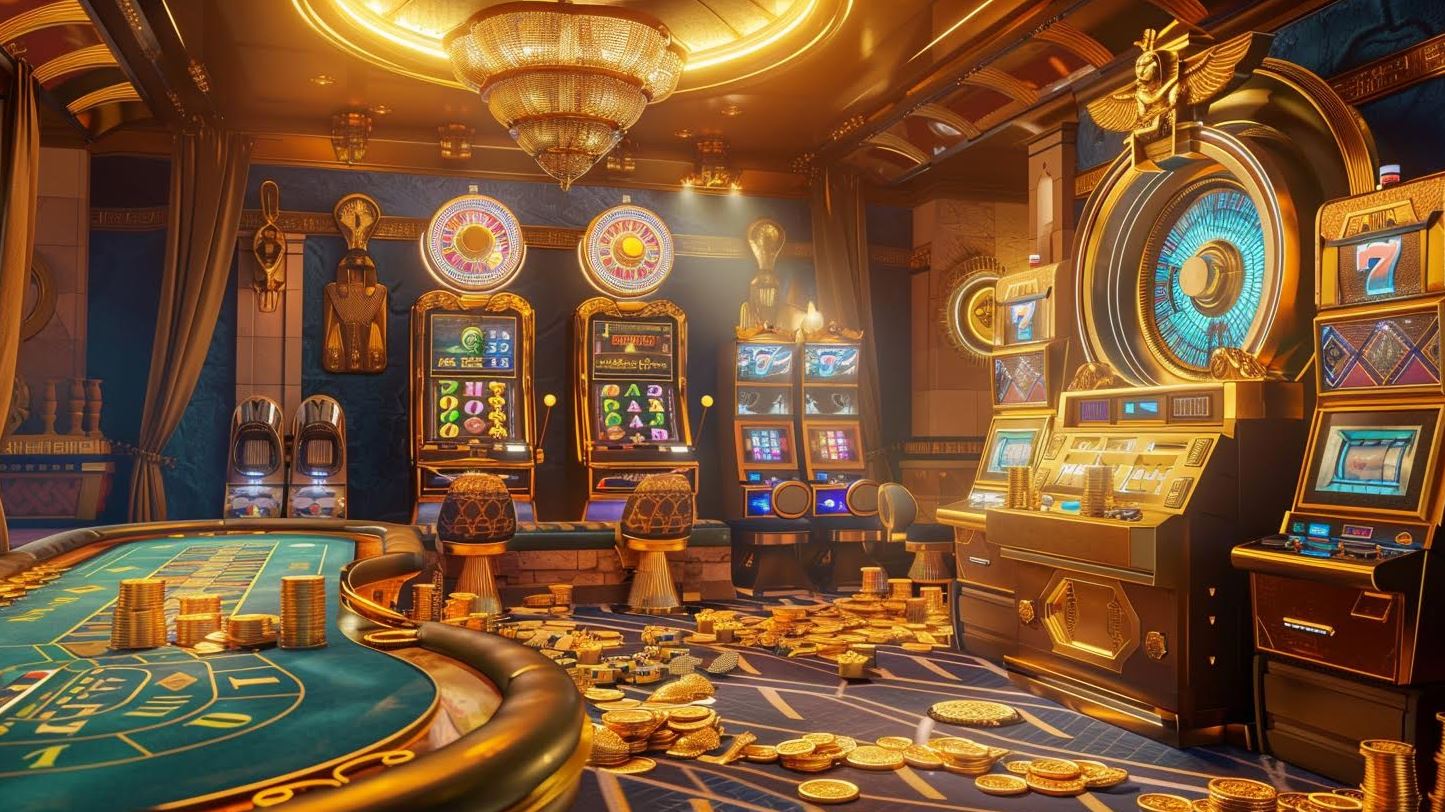
While often discussed in the context of adventure or sandbox games, modularity has reshaped casino titles as well. In the online gambling sector, pokies have become increasingly sophisticated thanks to bonus modules that function like mini-games.
Australian online casinos feature hundreds of such modular pokies, many of which are listed on resources like onlinepokies-au.com. For instance, Big Bass Bonanza and Money Train 4 both include bonus rounds that diverge from the main reels, adding a narrative or skill-based challenge.
These bonus levels exemplify modular thinking within the Online Pokies segment.
One of the standout features of modern Online Pokies Casino design is the integration of “Bonus Buy” options. This mechanic allows players to access extra content instantly—effectively purchasing a module instead of waiting for a random trigger.
Games that offer this function have shown higher retention rates and increased average playtime:
- Story-driven bonus modules appeal to casual players looking for variety.
- High-volatility features attract risk-takers and VIP audiences.
- Streamable bonus segments help brands expand their social media reach.
This evolution mirrors broader shifts across the Online Pokies Australia market. Modular content now drives not only user engagement but also data analytics: casinos track the performance of each bonus segment and adjust drop rates or visuals accordingly.
In many respects, the modular pokies format has contributed to the rise of the best casino online offerings by diversifying both the gameplay and promotional strategies.
Examples of Modular Performance Across Platforms
| Platform or Game | Module Type | Outcome |
| Fortnite | Blitz Royale LTM | Quadrupled match participation in a week |
| Roblox – Grow a Garden | Seasonal biome | 21.3 million concurrent users |
| Money Train 4 | Interactive bonus round | Boost in average play session length |
| Big Bass Bonanza | Bonus buy feature | Increased user retention post-purchase |
Each of these examples demonstrates how modular design not only enhances gameplay, but directly impacts player behaviour and revenue potential.
Commercial Impact and Development Flexibility
Modular frameworks support agile development and clearer player segmentation. Instead of redesigning entire systems, developers can launch smaller components tailored to specific demographics or regional markets.
This flexibility reduces time-to-market for new features and improves post-launch balancing.
Moreover, monetisation strategies benefit from the precise nature of module-based analytics. Each segment can be tested, refined or removed without disrupting the core game.
In some online games, operators often rotate feature modules weekly, aligning them with targeted marketing campaigns or seasonal events. This modular model allows even legacy titles to stay current in a competitive landscape.
The Long-Term Value of Modular Game Design
Modularity has transformed the structure and pacing of online games. From blockbuster shooters to online pokies, the shift toward flexible, add-on-driven gameplay has enabled developers to offer more content without overwhelming production cycles.
Games are no longer finished products—they are dynamic systems, constantly reassembled to meet audience demand.