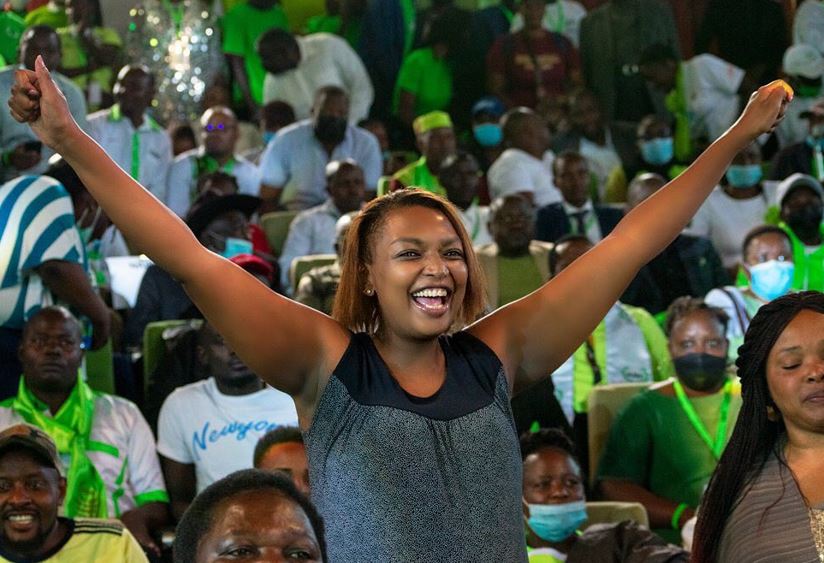

 The Orange Democratic Movement (ODM) has kicked off preparations for a year-long celebration marking two decades since the party burst onto Kenya’s political scene.
Meeting in Nairobi on Monday, the Central Committee – chaired by party leader Raila Odinga – adopted a nationwide programme dubbed ODM@20. “These celebrations will take place across all counties, culminating in a major national event in October 2025,” the committee said.
Between now and October, county branches will host rallies, charity drives, football tournaments and policy forums designed to showcase what ODM calls its “orange vision” of social democracy.
The party also set October 2025 for its next National Delegates Convention, where officials will be elected and strategy mapped for the 2027 General Election. The NDC will also mark the culmination of 20th anniversary celebrations.
How the orange moment became a movement
| Year | Key moment in the ODM journey |
|---|---|
| 2005 | “No” side wins constitutional referendum; orange becomes the symbol of reform. |
| 2007 | ODM captures the largest bloc in Parliament; disputed presidential vote triggers crisis. |
| 2008 | Peace accord ushers in a coalition government; Raila Odinga sworn in as Prime Minister. |
| 2010 | Party backs the new constitution after securing key devolution clauses. |
| 2013 | Leads the CORD alliance; narrowly loses to Jubilee but cements opposition status. |
| 2017 | Contests presidential results again; 2018 “handshake” with Uhuru Kenyatta reshapes politics. |
| 2022 | Anchors the Azimio La Umoja coalition in a close race against now-President William Ruto. |
| 2025 | Turns twenty with county-by-county celebrations and an October delegates’ gala. |
ODM has been one of the most, if not the most important party in Kenyan politics for the past 20 years. With its leader ageing and a new generation of politicians challenging the old guard, the party faces an uncertain future, but its adherent supporters remain hopeful that the centre will hold.