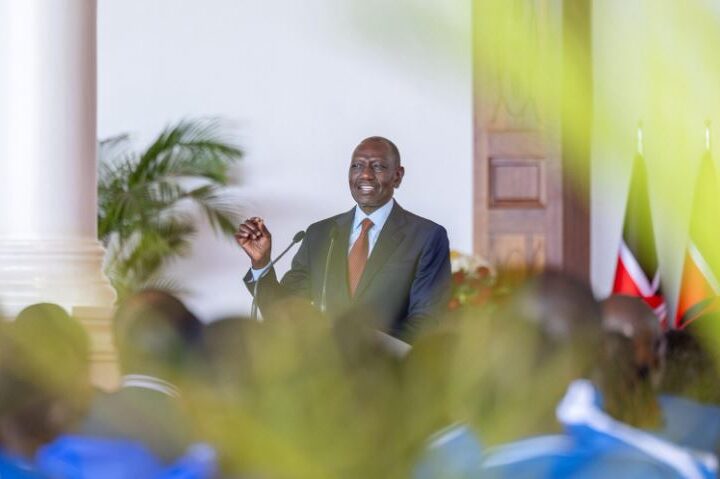

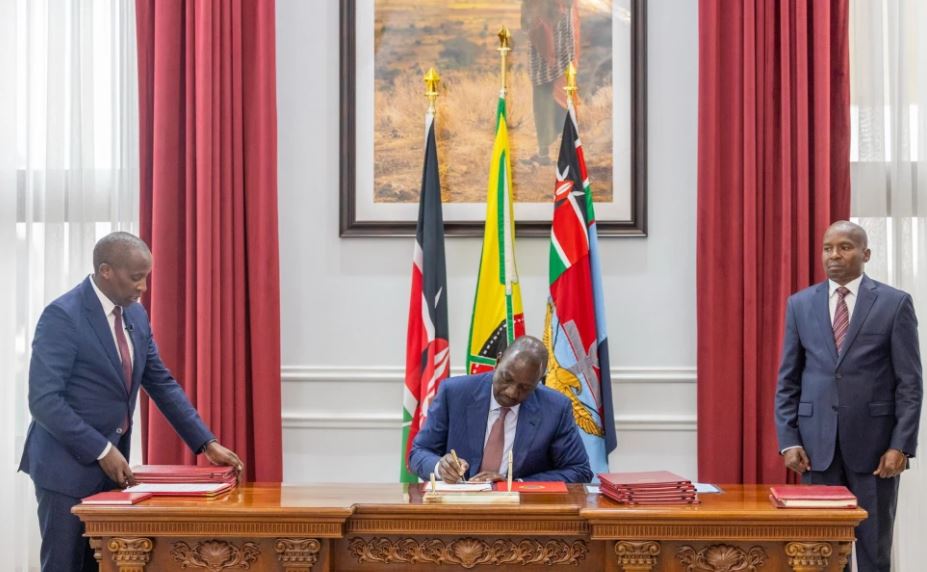
 The government has ramped up its anti-corruption war with President William Ruto’s assent of the Conflict of Interest Bill into law. The new legislation aims to cement long-existing loopholes in public service integrity and block the misuse of office for self-enrichment.
Speaking to State House Nairobi on Wednesday, President Ruto referred to the legislation as a major milestone towards restoring integrity in state bodies and ensuring taxpayer money is utilized for its purpose.
“This is a very consequential moment in Kenya. We are making it much more difficult for people to take advantage of the offices they occupy,” he said.
The legislation introduces stringent standards of transparency, accountability, and ethical conduct across all arms of government. It empowers citizens to keep leaders in check and strengthens the EACC’s oversight role.
Ruto noted that the EACC would also have greater capacity to enforce the law, particularly on matters of declaration of wealth. The Commission will oversee public officers not only in the Executive but also in the Judiciary and Legislature.
“To the EACC, you now have levers to make sure that you protect the resources of the Republic of Kenya and hold every officer to account,” the President said.
The law does away with the outdated Public Officer Ethics Act and consolidates conflict of interest into one regime. The one legal regime attempts to provide consistency in how public officers are expected to behave and disclose their personal interests.
Sponsored by National Assembly Majority Leader Kimani Ichung’wah, the Bill is designed to prevent public officials from using their positions for personal enrichment or to benefit others unfairly. It bans preferential treatment outside legal or policy boundaries and forbids officials from being influenced by potential job offers or entering into business contracts with the very institutions they serve.
The law also prohibits public officers from acquiring interests in companies that do business with their departments. It blocks them from taking outside employment that could compromise their public roles.
To boost transparency, all public officers must recuse themselves from decisions where they have personal interests. They must also declare their income, assets, and liabilities—along with those of their spouses and dependent children.