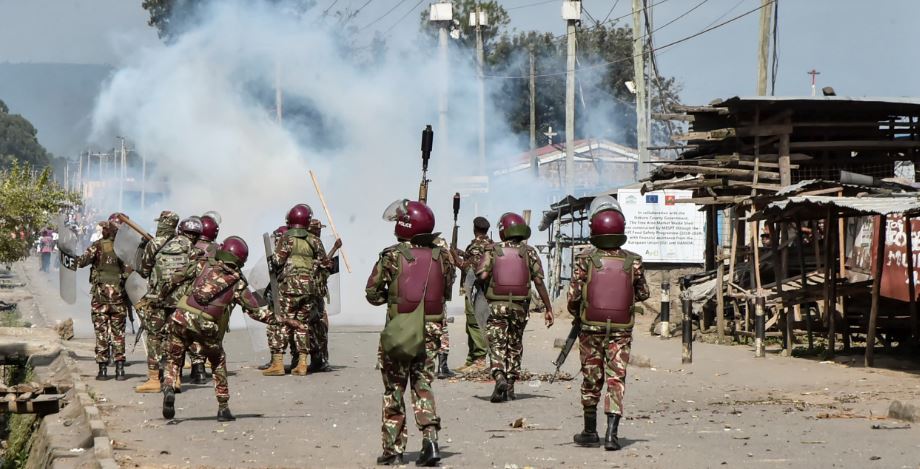
 The Independent Policing Oversight Authority (IPOA) has raised serious concerns about the welfare of police officers deployed during the recent June 25 and July 7 nationwide protests, revealing they were neglected, and their welfare was largely ignored.
In a report released on Thursday, IPOA says officers who had been deployed to maintain law and order while guarding key public and government buildings were deployed to the ground without adequate food, drinking water, or appropriate necessities. The oversight body noted that this neglect risked compromising both the effectiveness and safety of the officers during high-pressure deployments.
“IPOA monitors observed that police officers deployed were not provided with meals during the demonstrations,” the report stated.
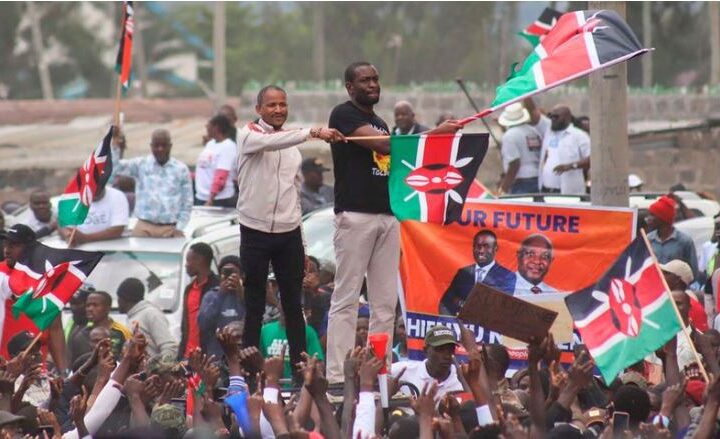
The demonstrations, held on June 25 to mark the anniversary of last year’s anti-tax protests and again on July 7 to commemorate the historic Saba Saba pro-democracy march, drew large crowds across the country. While protesters exercised their right to assembly, IPOA documented troubling gaps in police planning and logistics.
In response, IPOA has recommended that Inspector General of Police Douglas Kanja allocate a dedicated budget to cater for meals, allowances, and welfare packages for officers deployed during future protests.
Beyond welfare, IPOA exposed systemic failures in how some police commanders handled protest notifications. It said certain commanding officers had refused to receive official protest notices from organizers, an act that violates the Public Order Act and undermines legal protest coordination.
To boost transparency and accountability, IPOA has recommended that all police vehicles and assets deployed during demonstrations be visibly marked. This, the authority said, would not only improve identification but also support quick response during emergencies.
“Additionally, the IGP should adopt the use of body-worn cameras and videography during protests to strengthen accountability and support evidence-based prosecution of offenders,” IPOA advised.
IPOA has also called on the Inspector General of Police to offer medical care to injured protesters who are engaging in demonstrations. The authority highlighted the need to safeguard healthcare workers and facilities from injury, especially where the environment is volatile, and recommended the creation of a specialist Public Hospital Security Unit to address these risks.
In a bid to facilitate peaceful and lawful gatherings, IPOA urged police to proactively engage with organisers of planned protests before any demonstrations. The watchdog also recommended initiating a countrywide civic education campaign to empower civil society organisations working in police reforms and sensitization on human rights.
To boost public safety, IPOA asked the National Police Service Commission (NPSC) to initiate a recruitment drive aimed at improving the officer-to-citizen ratio from the existing 1:600. The authority wants this raised to the internationally recommended 1:450 ratio so as to provide adequate security cover across the country..
In addition, IPOA asked the Parliament and the National Treasury to increase its budget. The agency clarified that increased funding would allow it to expand operations to all counties and strengthen its mandate of oversight under the Constitution.
These far-reaching recommendations form part of IPOA’s broader push for police accountability, better officer welfare, and safer, more peaceful demonstrations across Kenya.